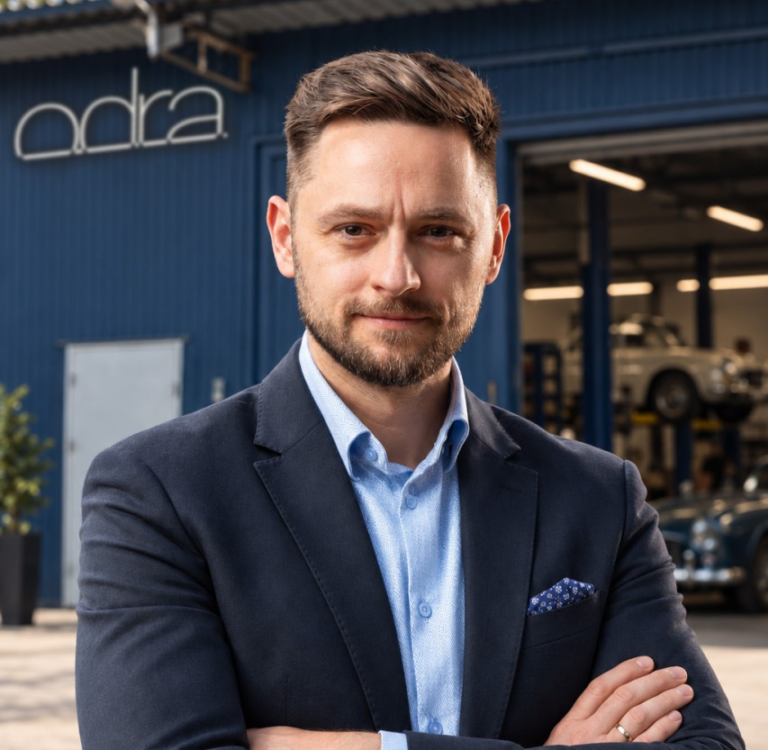
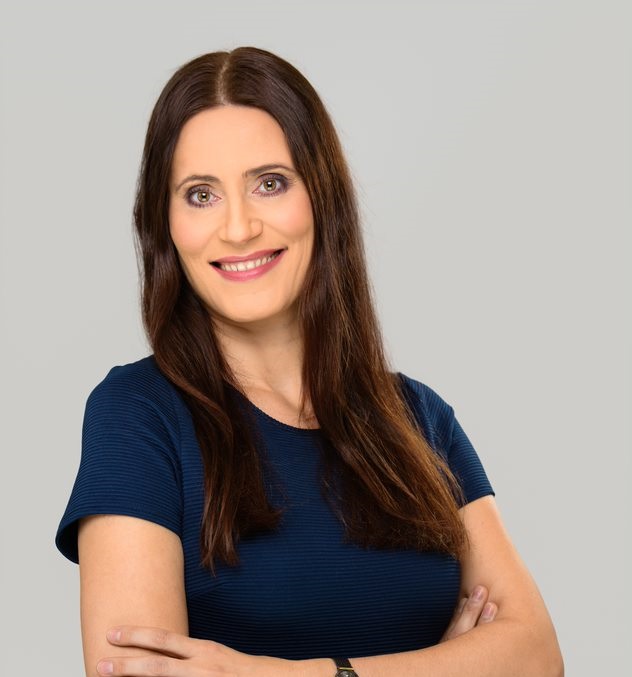
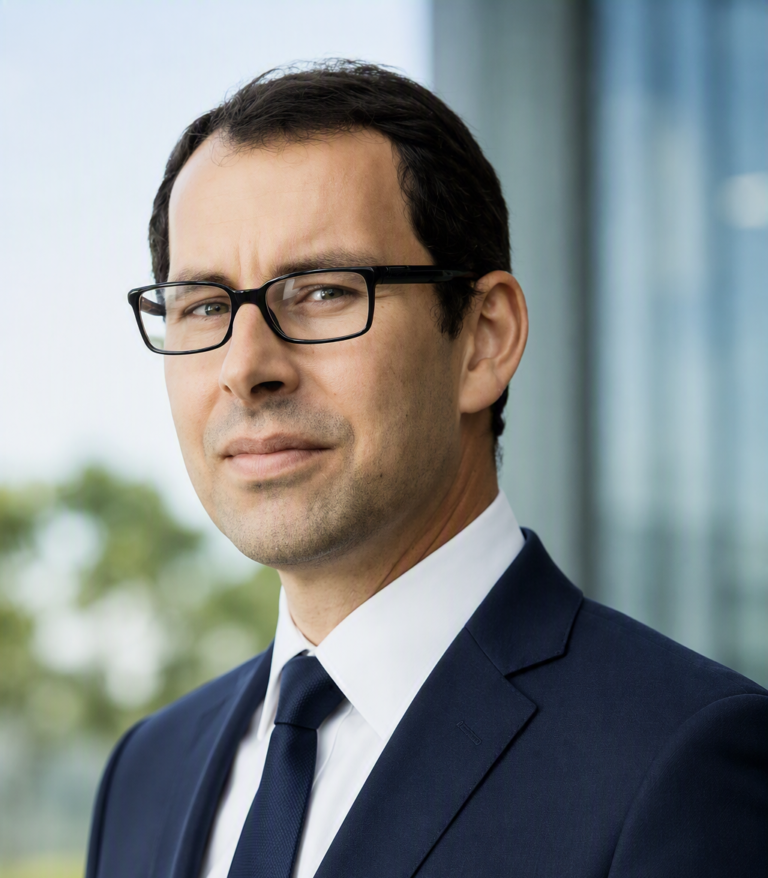
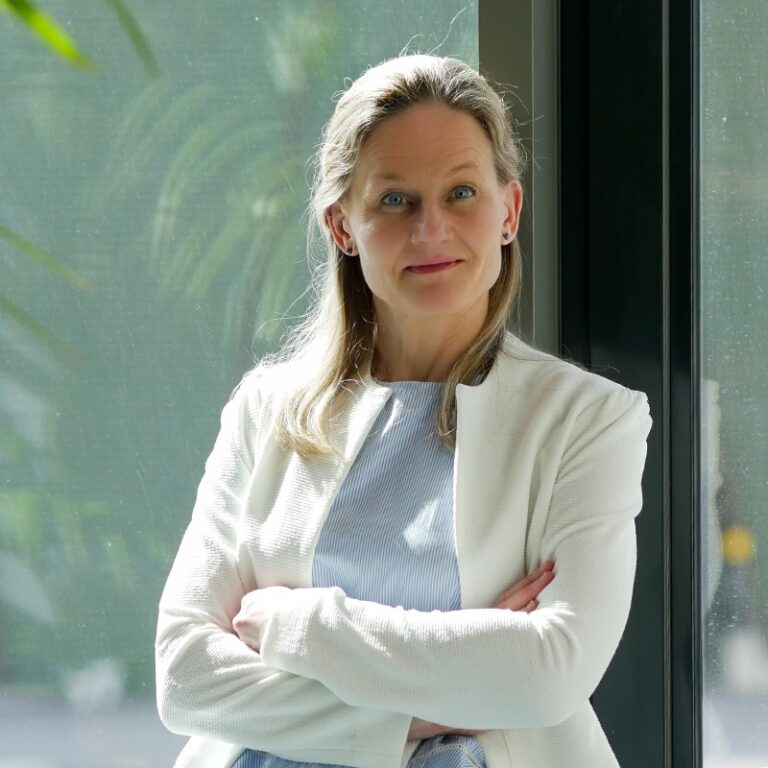
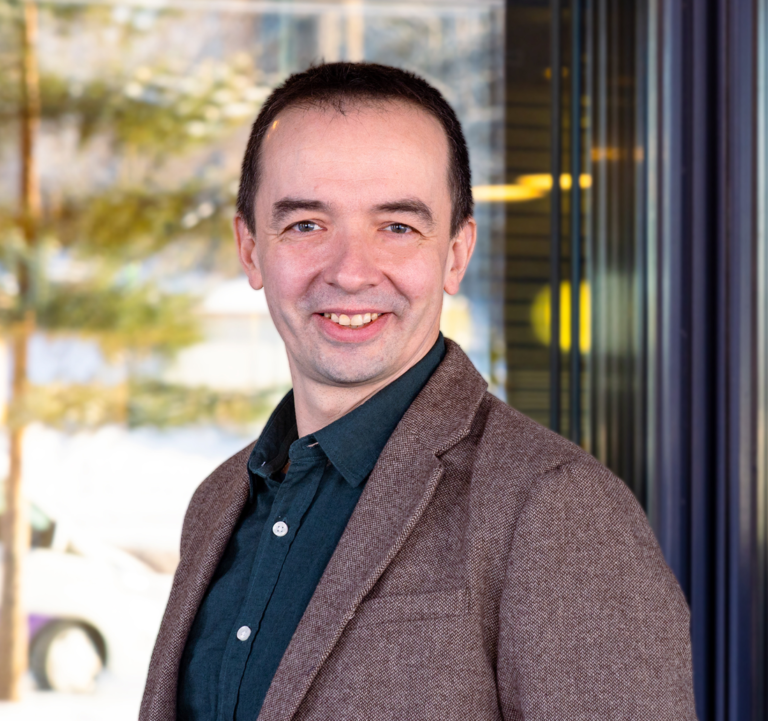
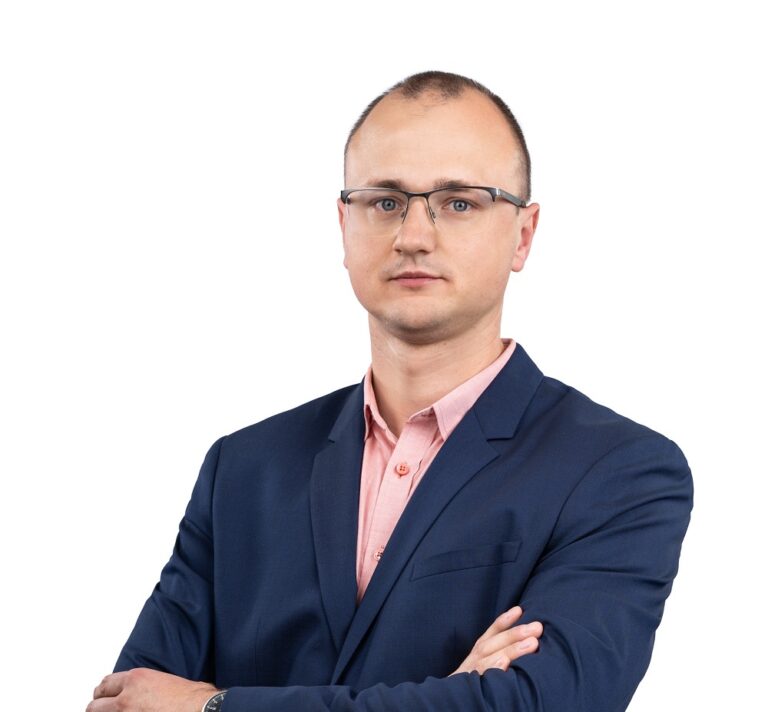
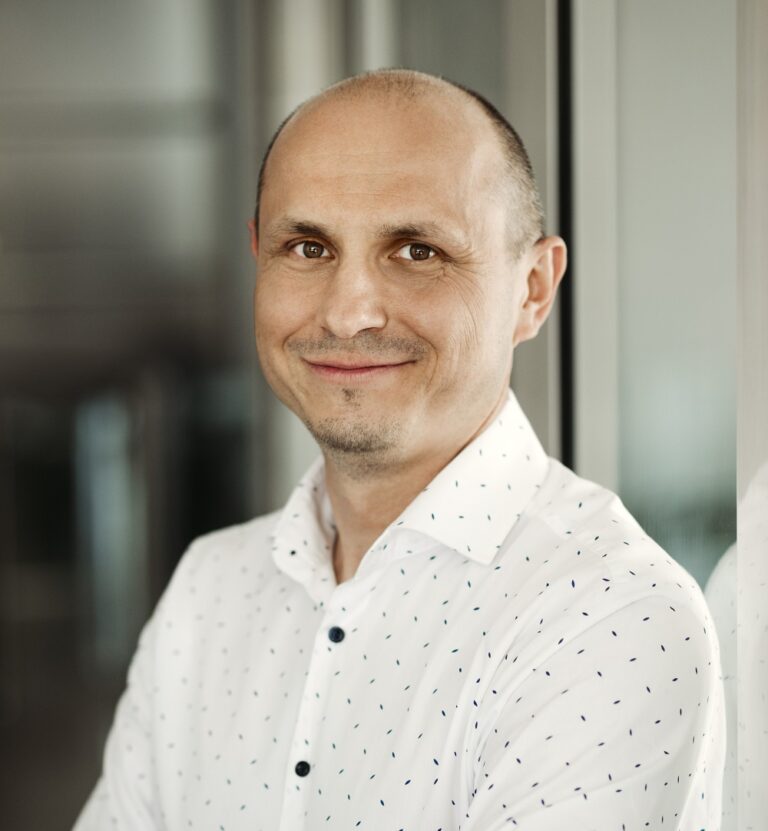
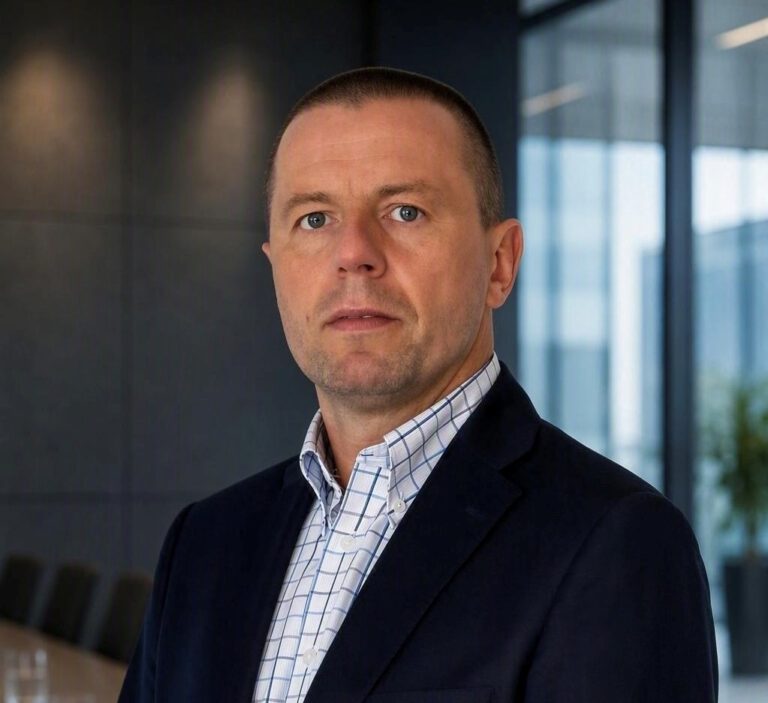
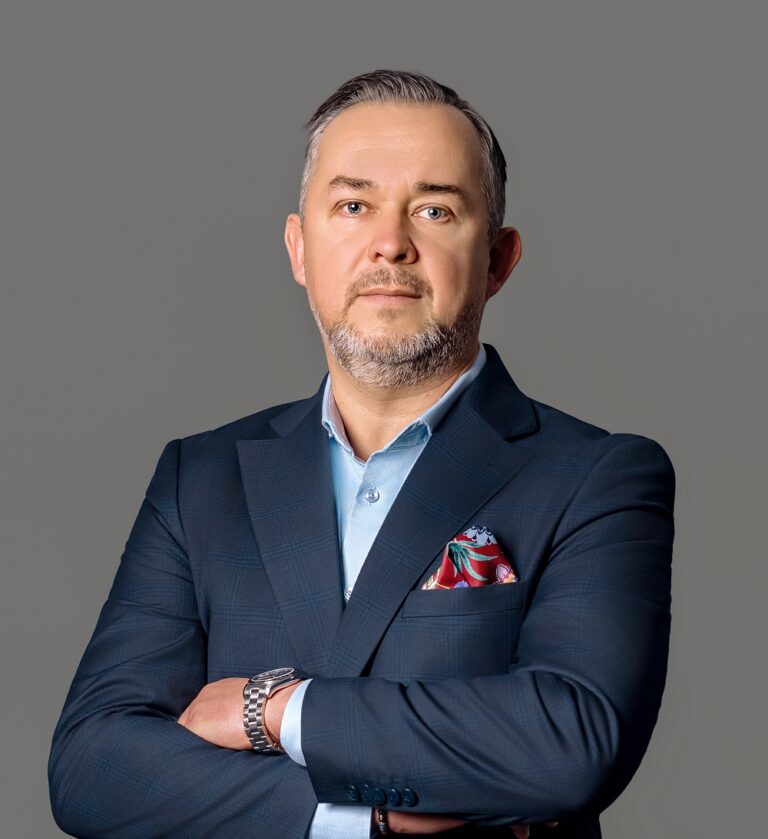
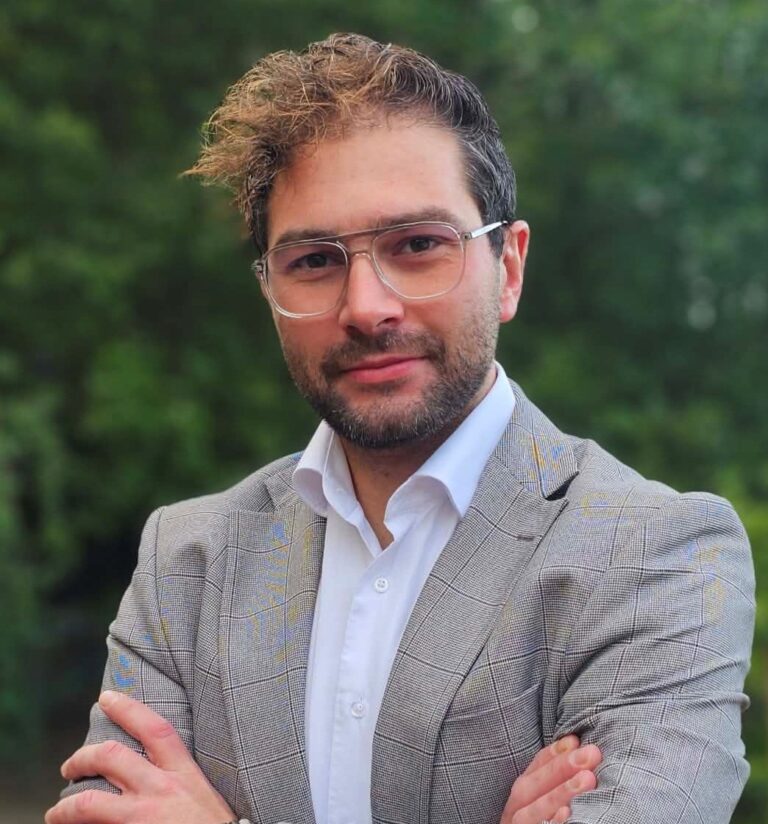
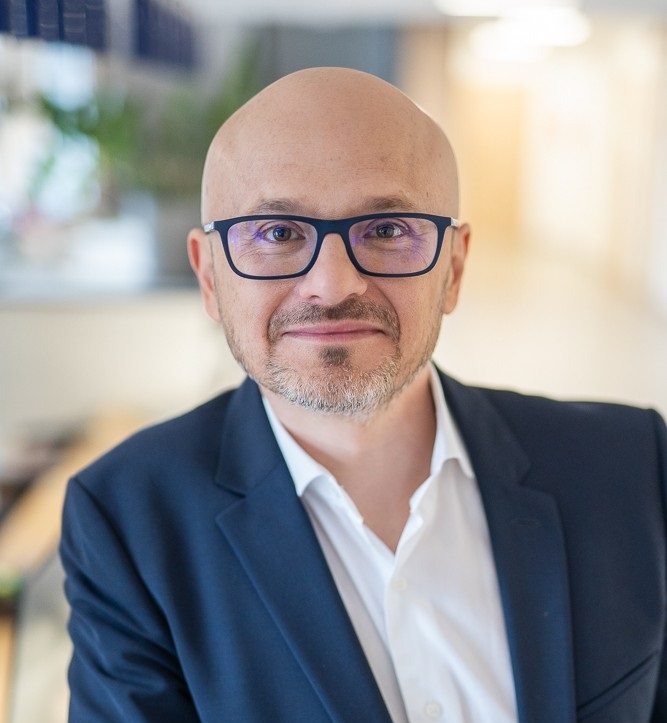
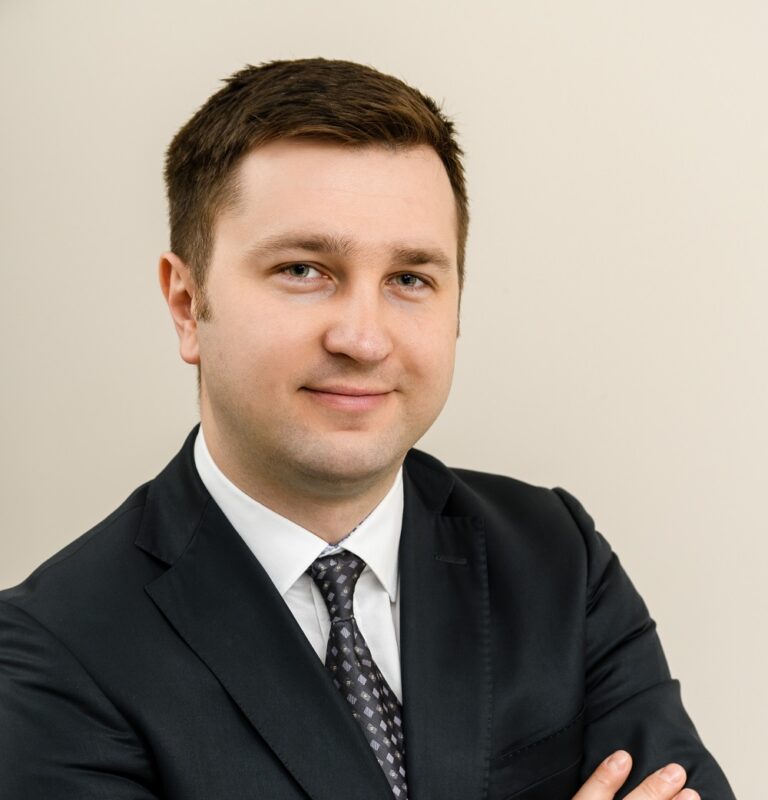
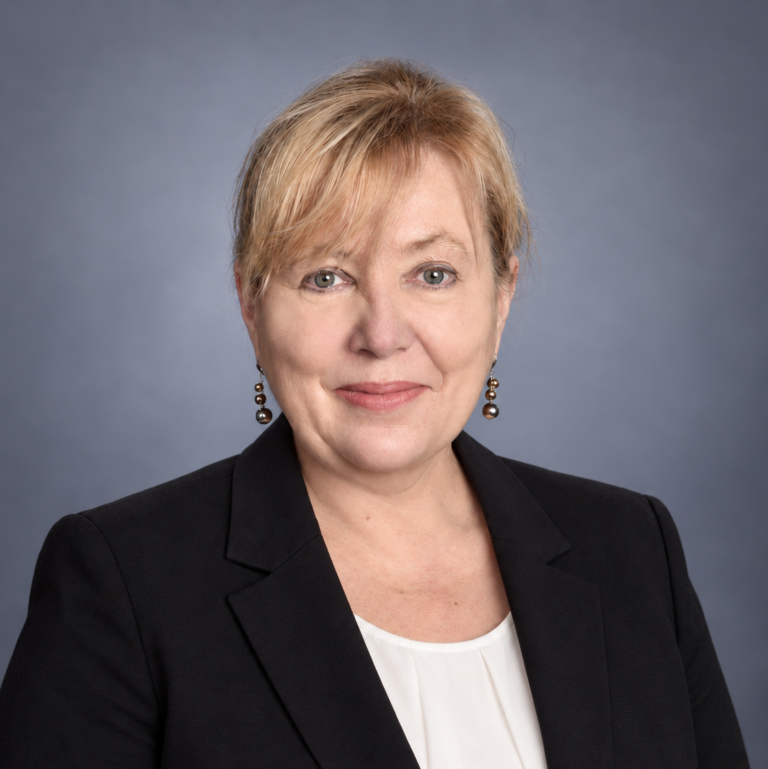
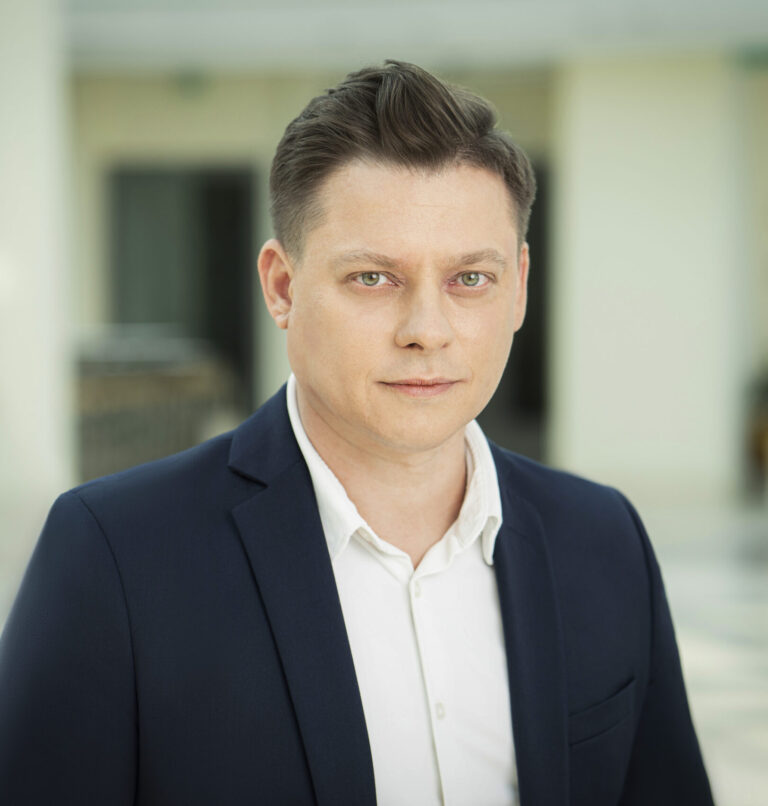
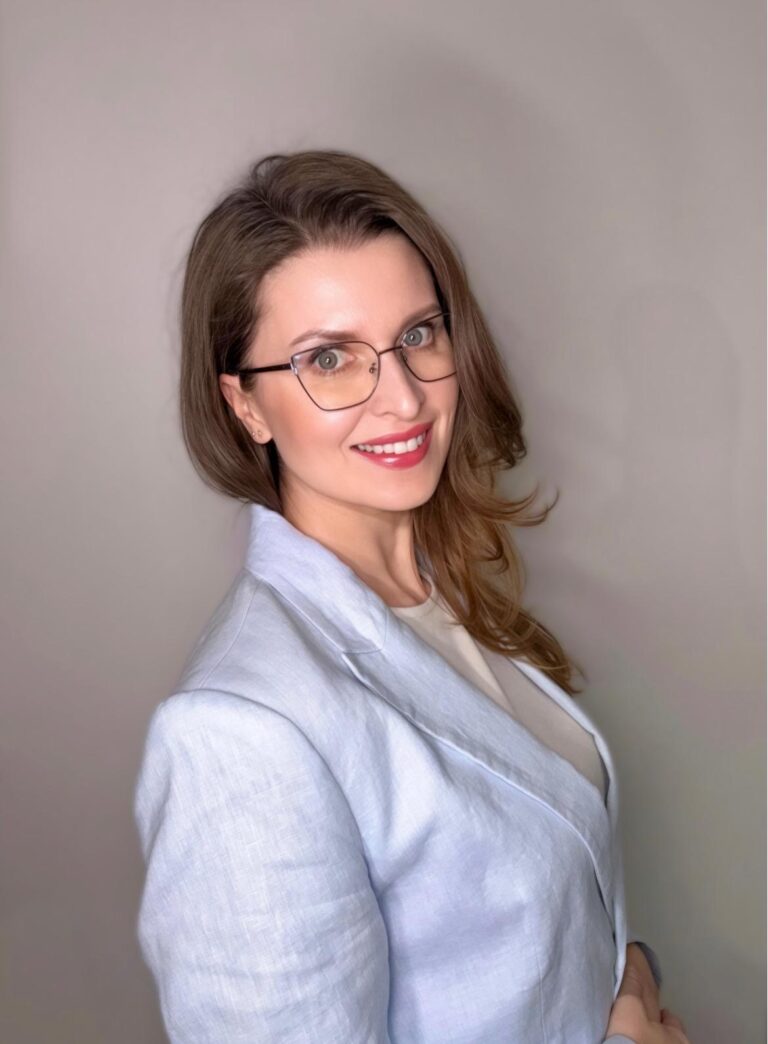
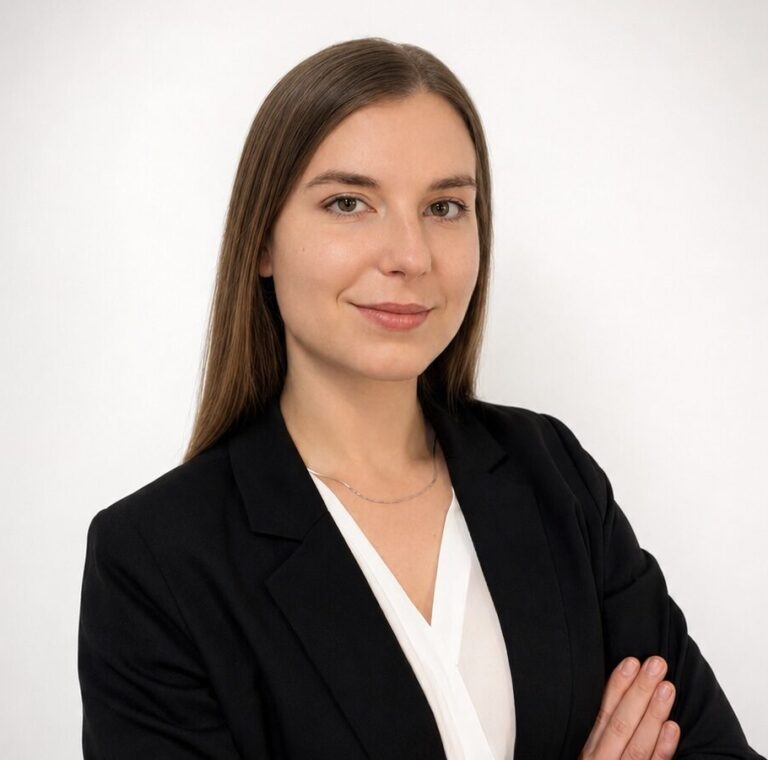
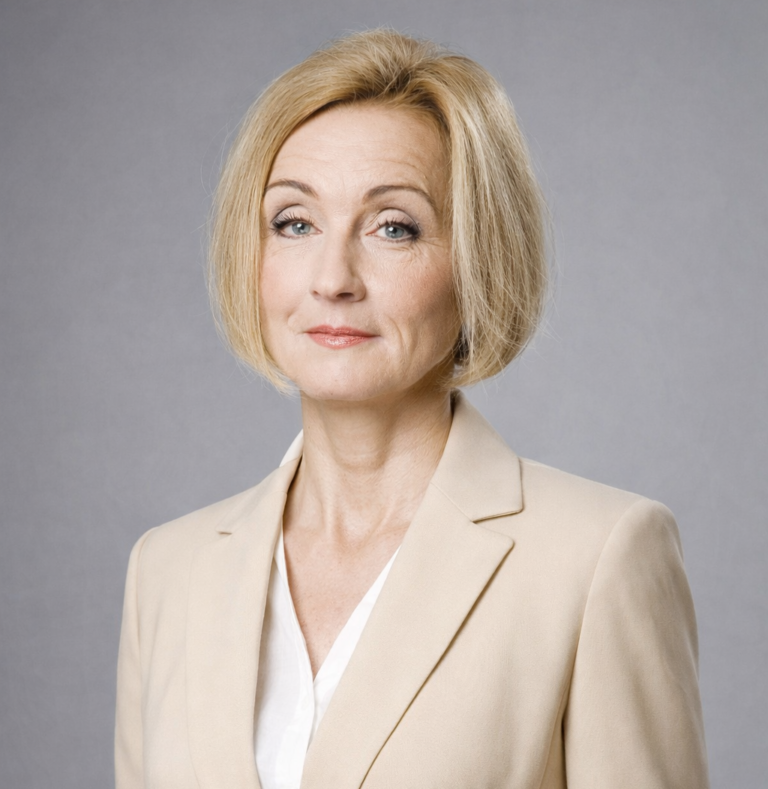
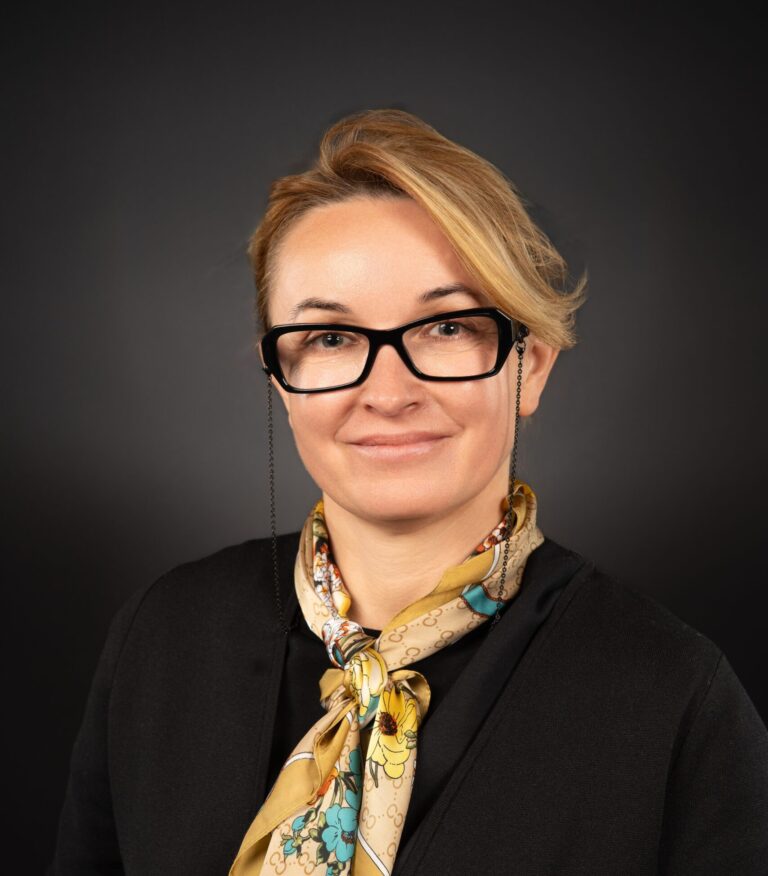
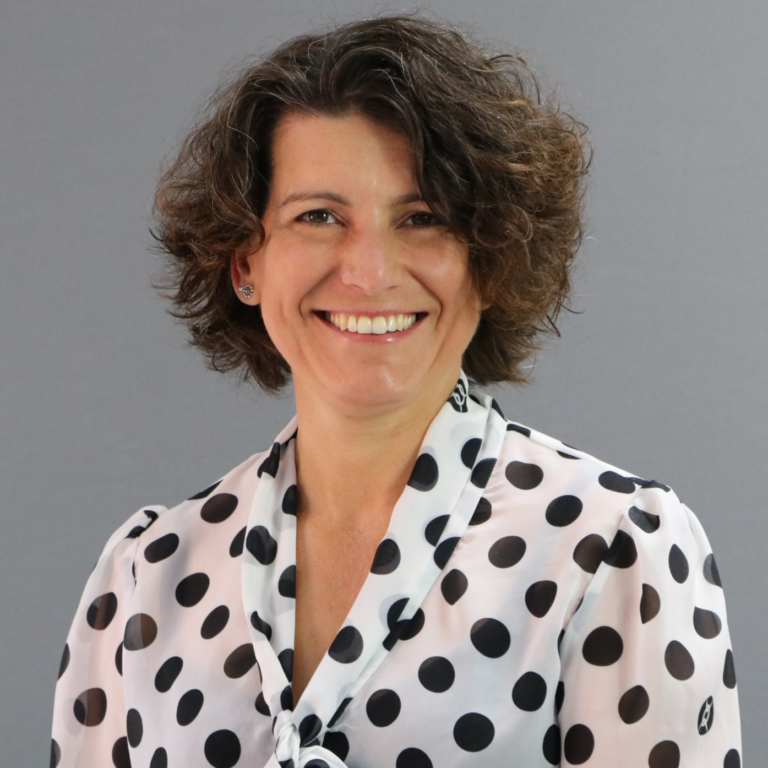
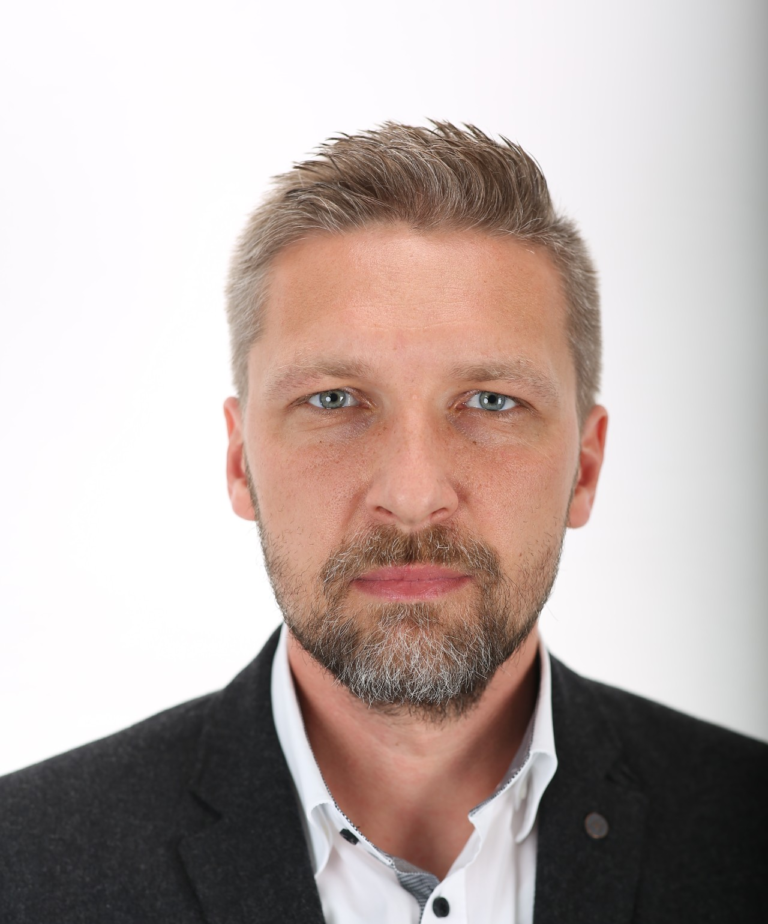
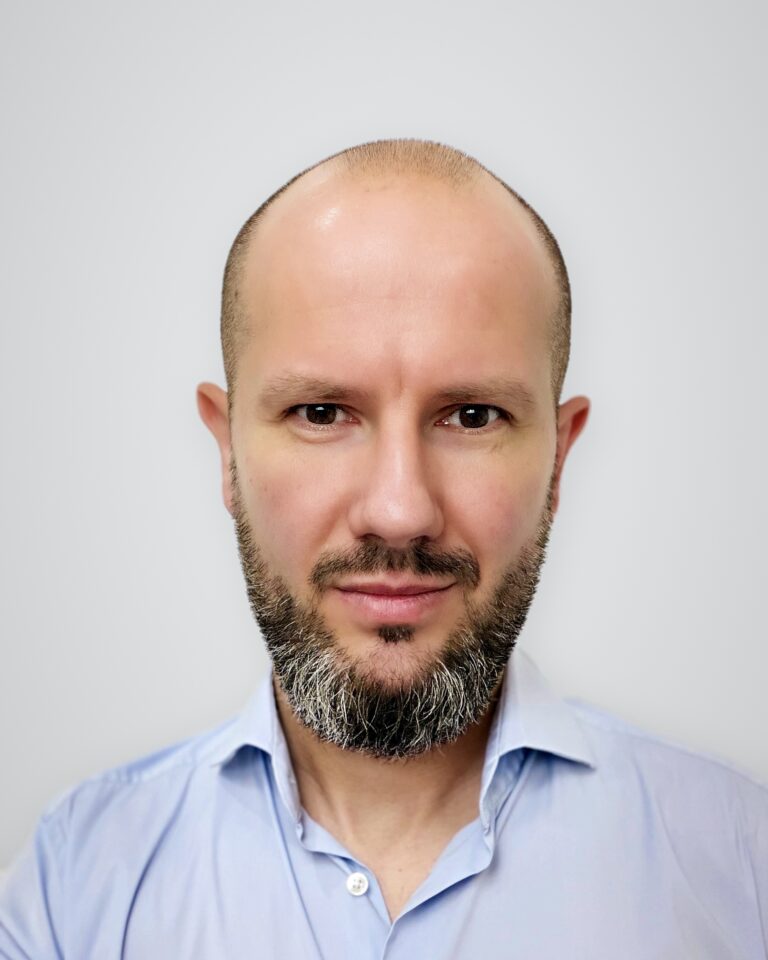
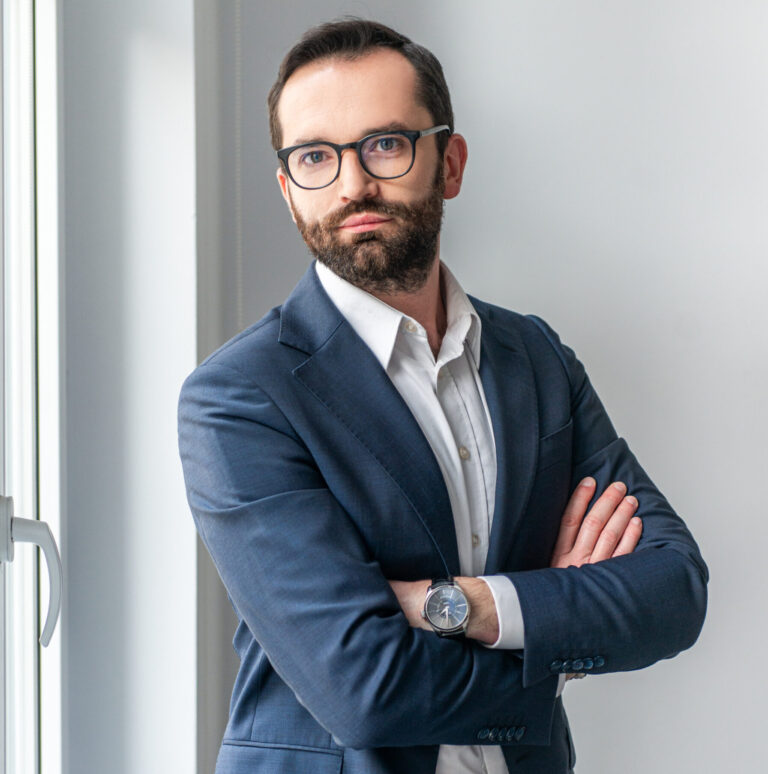
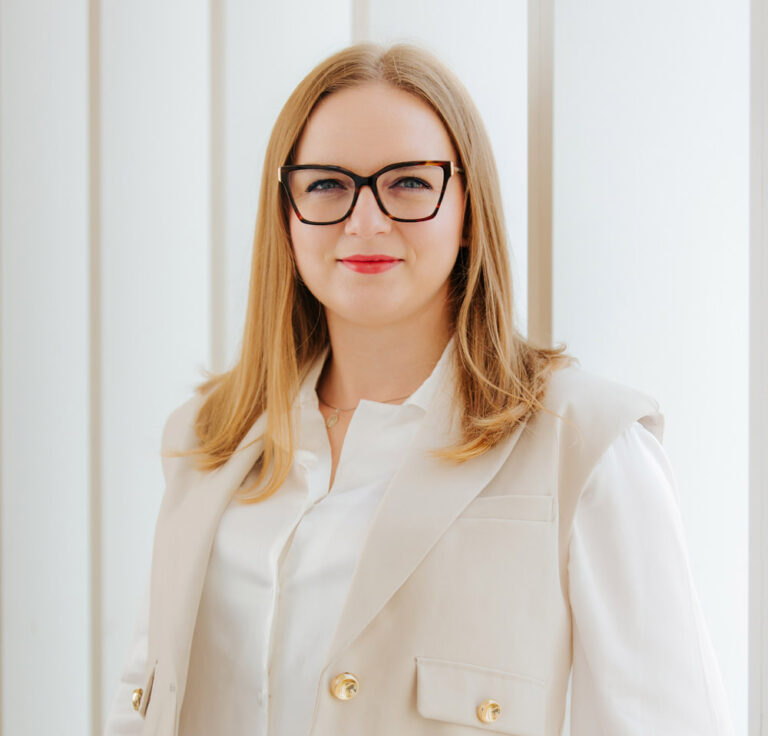
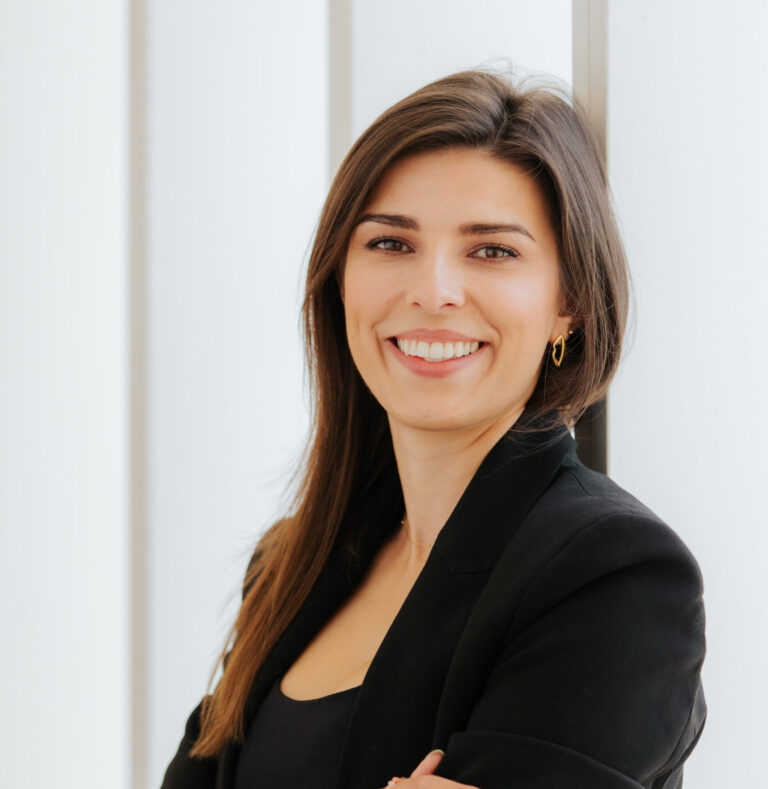
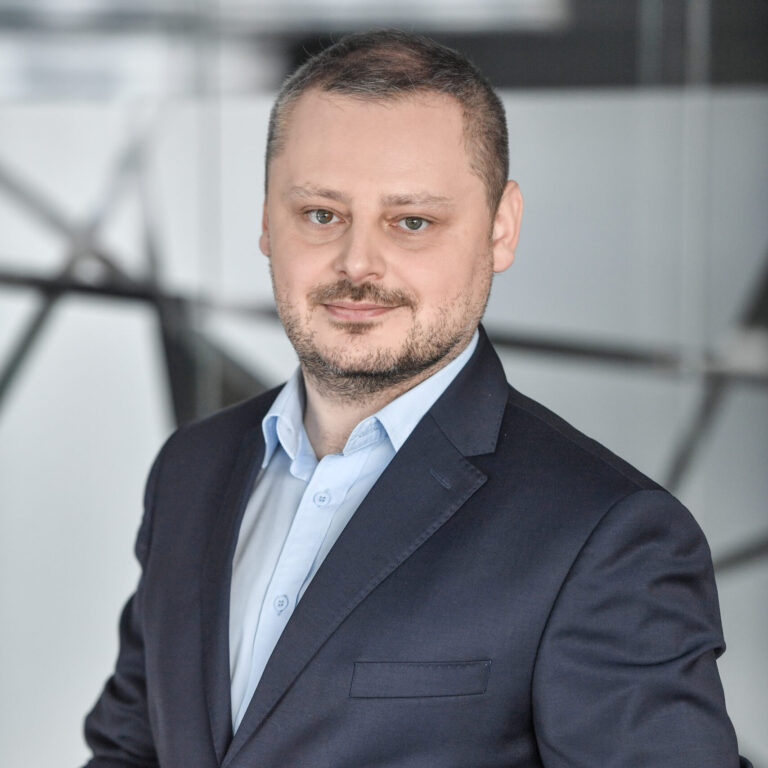
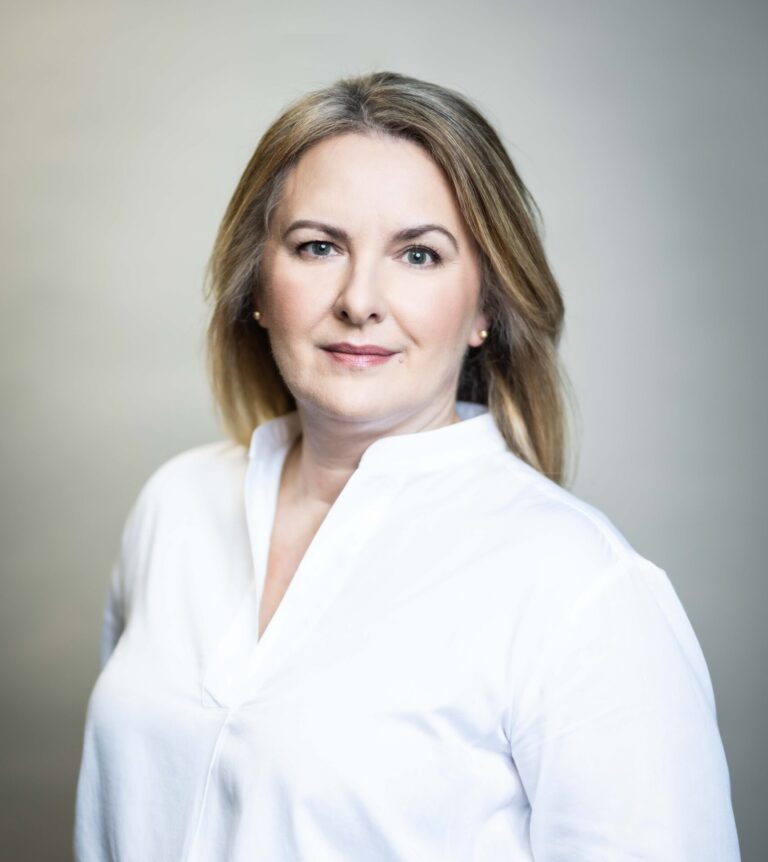
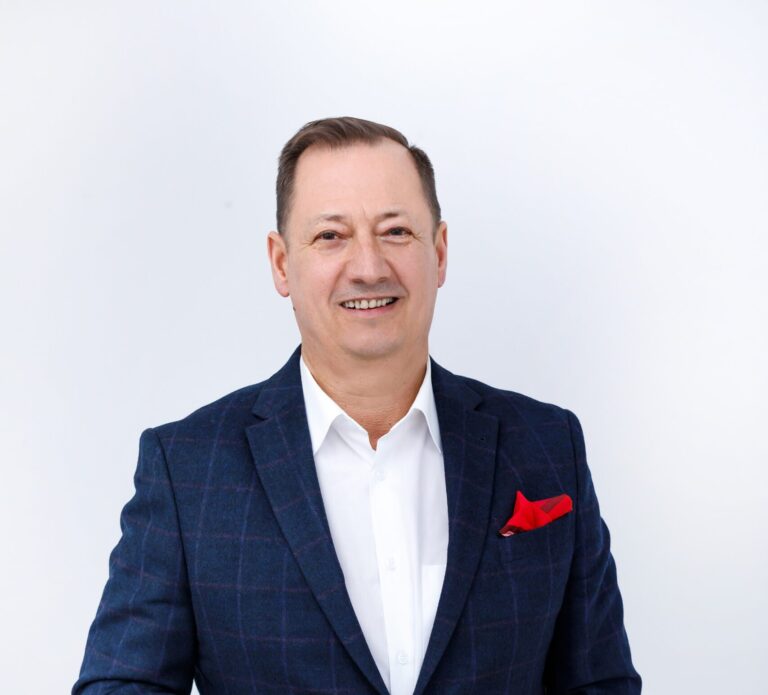
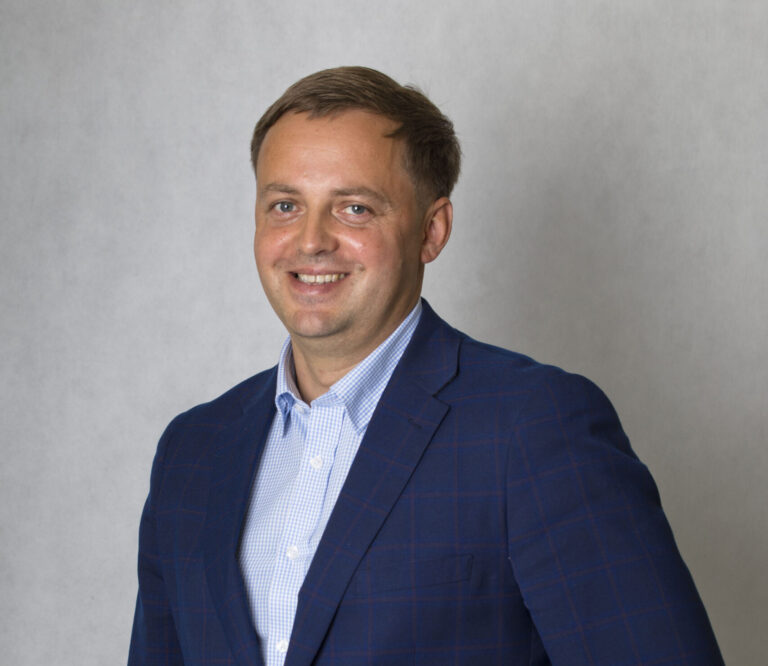
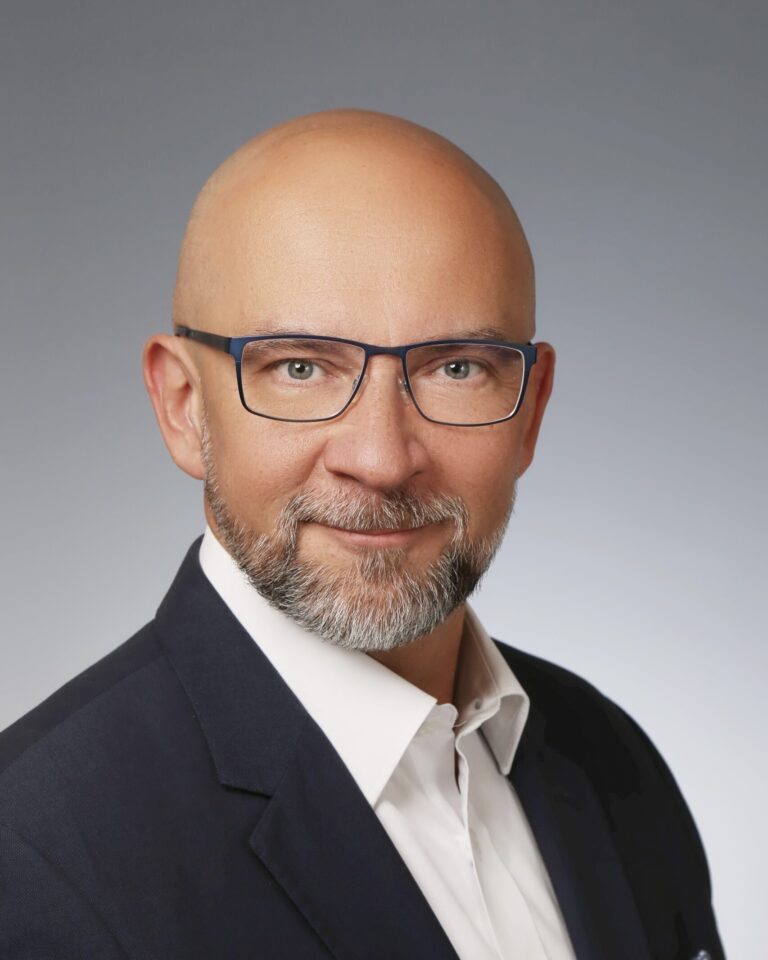
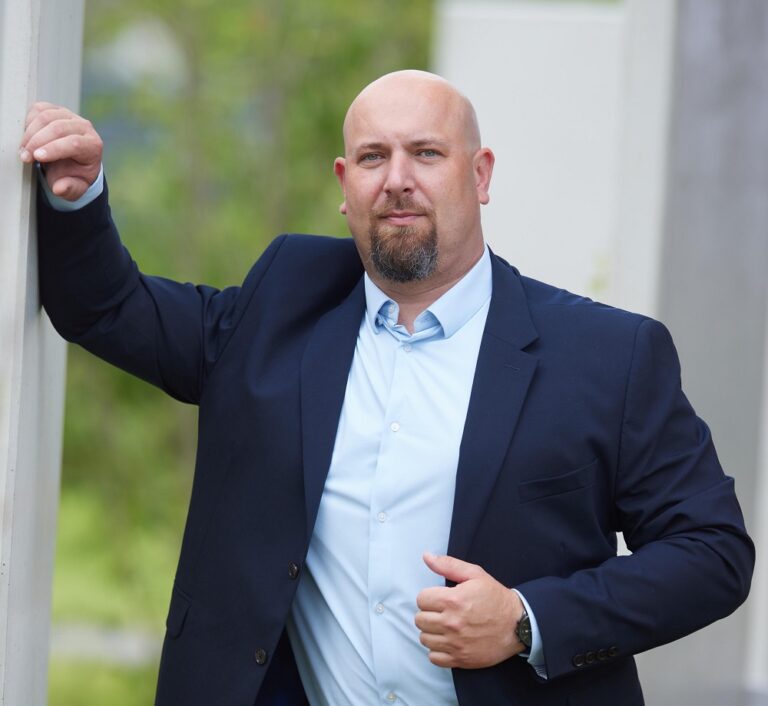
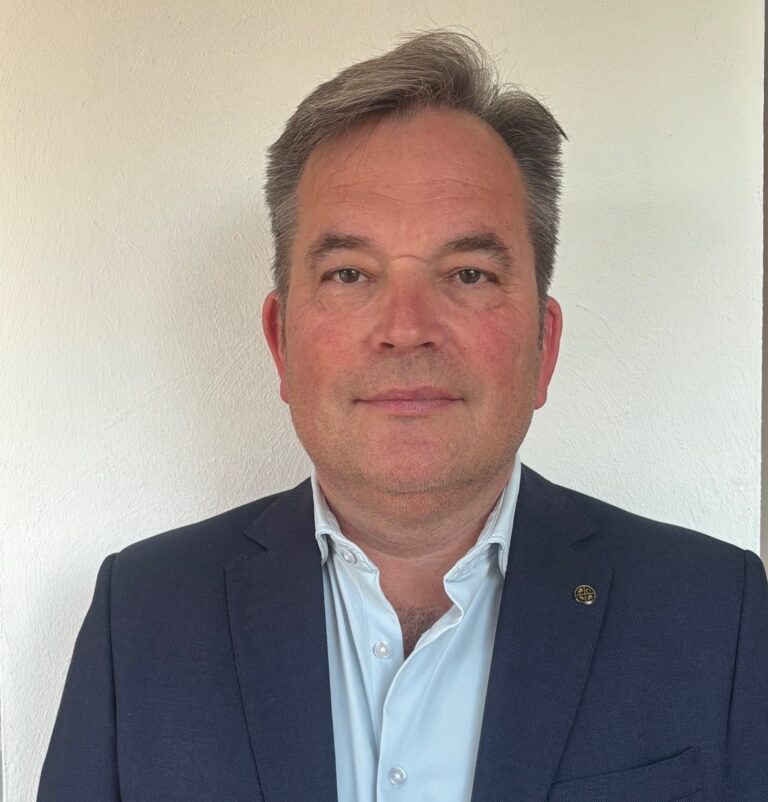
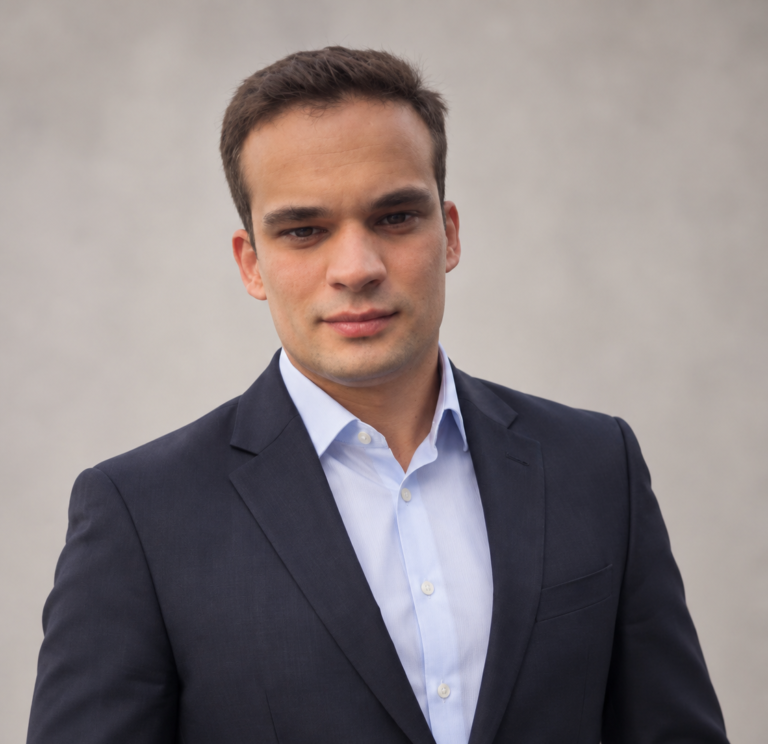
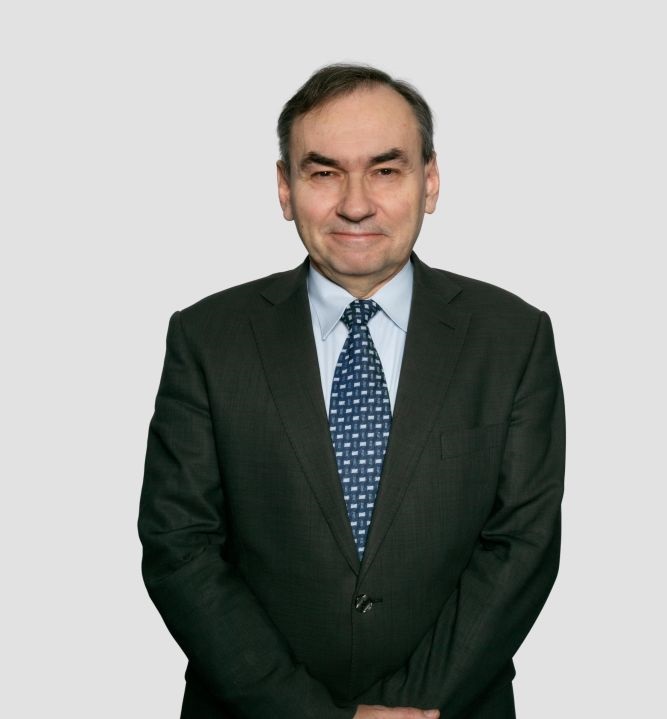
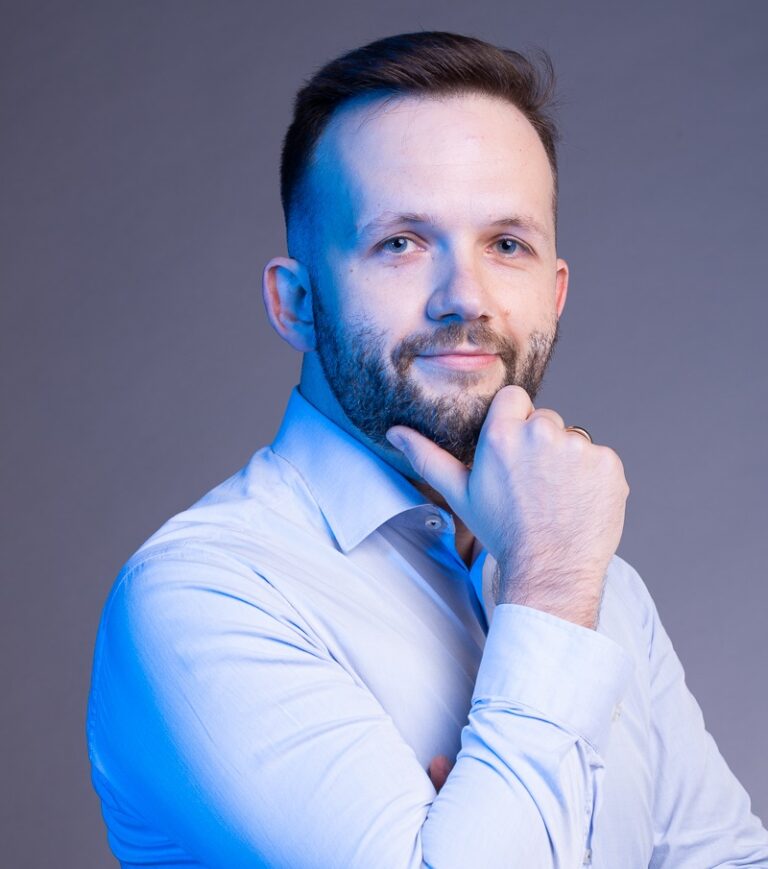
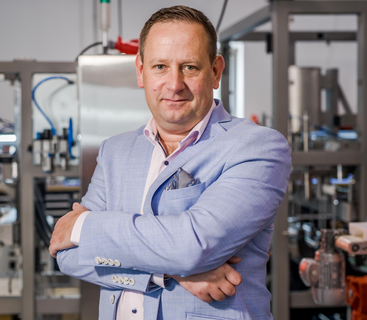
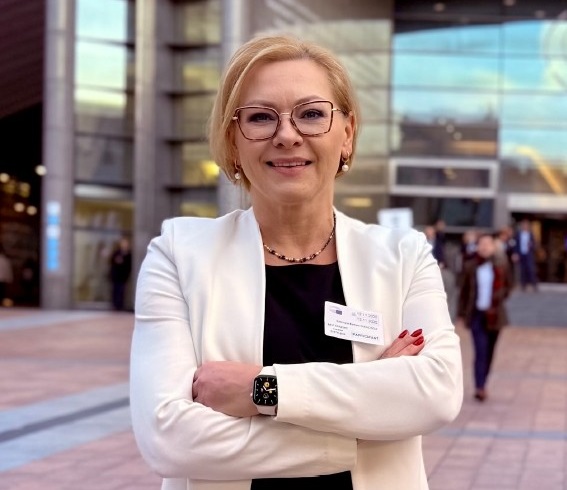
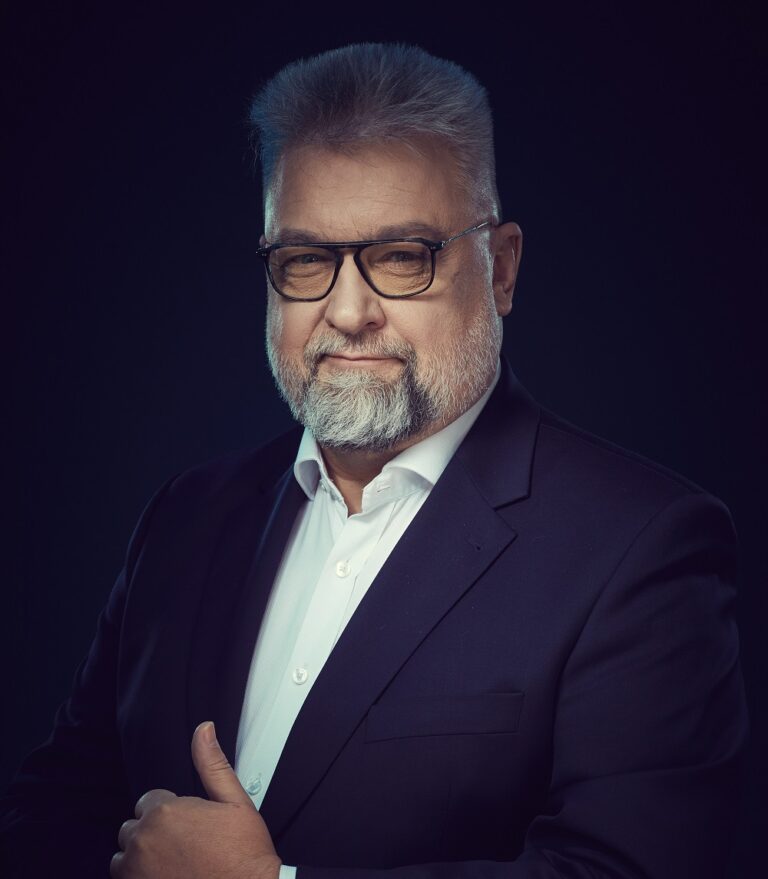
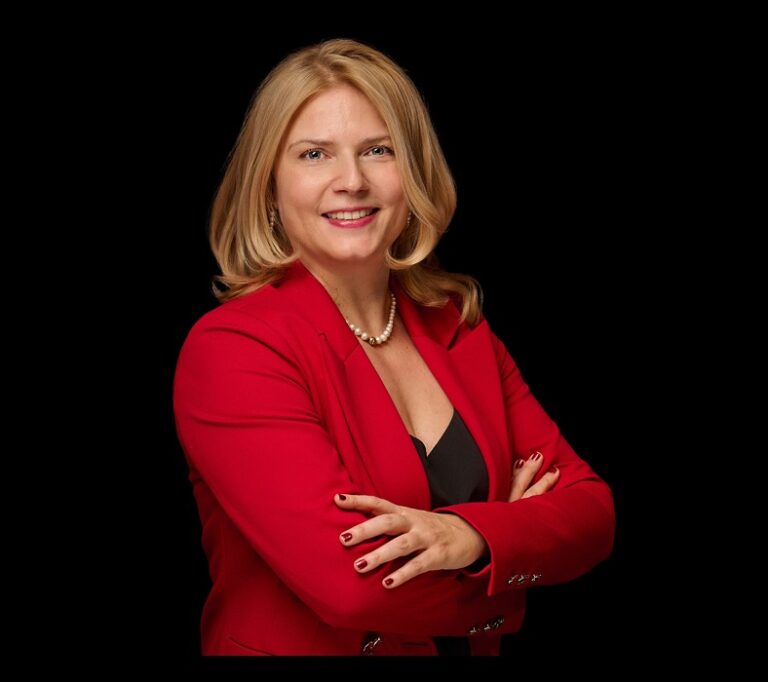
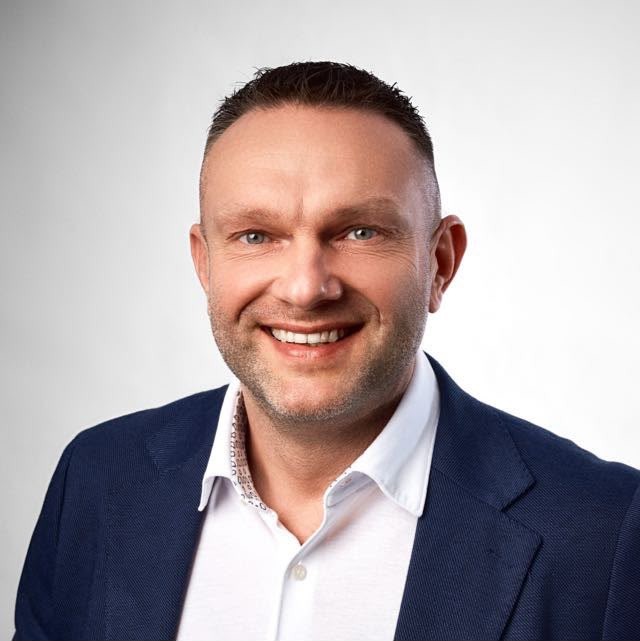
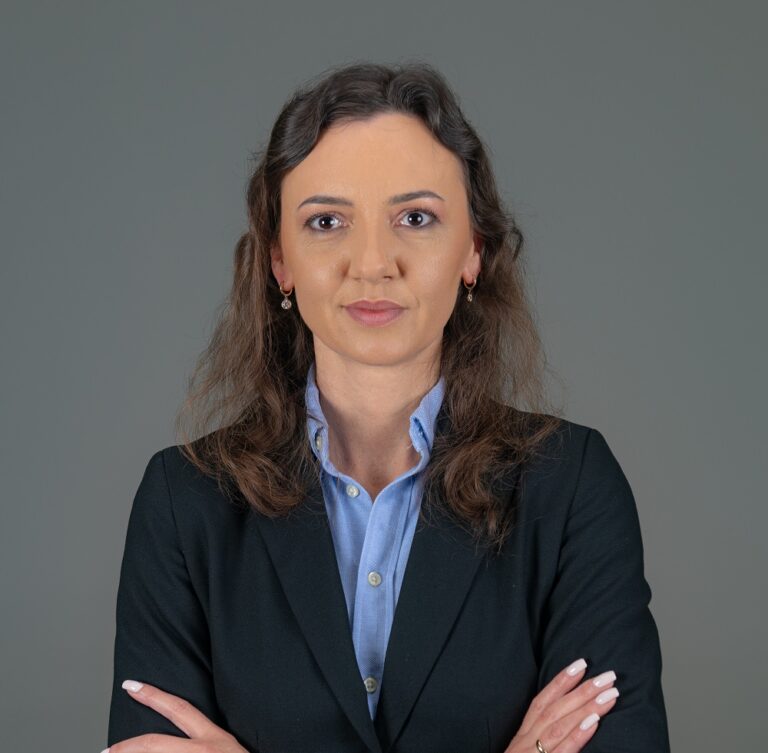
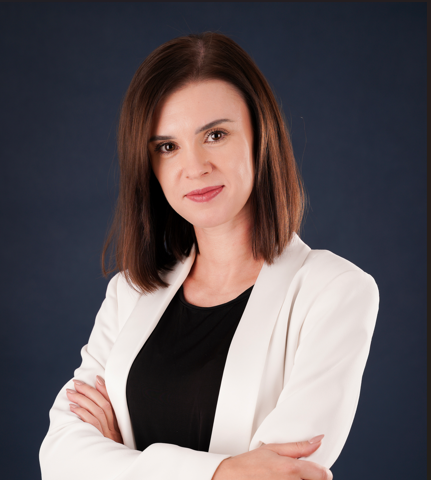
An engineer, manager and industry professional with nearly 20 years’ experience, gained in roles ranging from design engineer to board member. An MBA graduate, content editor for *Menedżer Produkcji* and, for many years, a content partner for pharmaceutical industry events, which he leads by combining academic knowledge with management practice.
On a day-to-day basis, he supports industrial organisations in developing and improving their processes, whilst also putting his management approach to the test in his own company, Odra, which specialises in the restoration and customisation of classic cars. He combines the perspective of large organisations with the realities of an entrepreneur, for whom every decision has direct consequences.
7:30
Registration of Congress participants
9:00
Official Opening of the Congress
Robert Miller
Editor-in-Chief FARMACOM Publishing
9:10
Introduction of the Guest of Honour
Liron Weiss Bazak
CEO
9:30
Technology transfer as a bridge connecting development, GMP and business in a stable pharmaceutical product life cycle
Modern technology transfer is much more than just submitting documentation and completing registration/validation runs.
It’s a process of managing knowledge, risk, and change throughout the product lifecycle.
During the presentation, I will present a practical perspective on technology transfer from the perspective of development, production, and MS&T organization, demonstrating how to build a lasting bridge between innovation and efficient manufacturing.
Participants will learn proven approaches to increase implementation effectiveness and mitigate risk during the commercialization phase.
Aneta Raś
Production Branch in Nowa Dęba Position: Head of the Technology and Implementation Department Medana Production Branch in Sieradz Position: Head of the Process Engineering Team
10:00
Pomegranate: A natural solution for women's skin and menopausal wellness
The growing demand for women’s health supplements reflects an increasing interest in targeted, science-backed solutions that address the unique nutritional and physiological needs of women across different stages of life. Among the most prominent areas of interest are skin health, menopausal wellness, and conditions associated with hormonal imbalance, including polycystic ovary syndrome (PCOS) and polycystic ovarian disease (PCOD). These areas highlight the need for innovative botanical ingredients that offer comprehensive benefits while supporting women’s overall well-being.
Grantria A is positioned as a novel, triple-active, full-spectrum pomegranate extract designed to address multiple dimensions of women’s health. Unlike conventional pomegranate extracts that may focus on a single class of bioactive compounds, Grantria A is characterized by its three complementary active components, providing a broader phytochemical profile. This full-spectrum approach is intended to support the diverse biological pathways involved in skin health, menopausal wellness, and hormonal balance.
The scientific investigation of Grantria A across these interconnected areas of women’s health represents an important step toward developing multifunctional, evidence-based supplementation. By exploring its potential applications in skin health, menopause-related concerns, and PCOS/PCOD-associated wellness, Grantria A aims to bridge the gap between traditional botanical nutrition and modern women’s health science.
This abstract highlights the potential of Grantria A as a next-generation pomegranate extract for comprehensive women’s health support, with its triple-active, full-spectrum composition serving as the foundation for further scientific evaluation and clinical research.
Shankaranarayanan Jeyakodi
Co-Founder & Director – Technical Operations
10:30
Groninger – Future-oriented filling technology
During the presentation entitled ‘Future-oriented filling technology’, we will showcase the latest solutions in filling machinery for sterile and non-sterile processes. Participants will learn how modern technologies support automation and production flexibility, meeting growing quality requirements and changing market needs. We will demonstrate how innovative solutions can enhance the efficiency and safety of filling processes.
Dominik Jastrzębski
Commercial Director
10:45
It’s not just about manufacturing. How to build a competitive edge in the pharmaceutical industry through knowledge and technology
How can a plant’s expertise be utilised not only to fulfil orders but also to help shape the direction of product development? This presentation will combine an overview of selected product trends with practical insights into formulation development, technology selection and quality assurance. Using examples of probiotics and other ingredients — both innovative and well-researched — the talk will discuss where the manufacturer’s expertise is crucial to a project’s success. The presentation will demonstrate how to translate these capabilities into decisions regarding the plant’s specialisation, the development of research facilities and collaboration with business partners. Participants will learn practical criteria for evaluating product projects and areas of plant specialisation, enabling them to translate scientific trends and market needs into sound development decisions.
Magdalena Bogucka
CEO
11:15
Coffee break
12:00
Transferring packaging operations between pharmaceutical sites without any surprises – effective management of quality, regulatory and business risks
The transfer of packaging operations between pharmaceutical sites is a strategic undertaking in which quality, regulatory and business requirements converge, and every decision can have a real impact on supply continuity. The success of a transfer is the result of informed risk management, effective team collaboration and excellent organisational preparation. During the presentation, I will highlight the key areas that enable a transfer to be carried out safely, predictably and with full control over the process (US Pharmacia case study).
Agnieszka Fischer
Head of the Technology Department
12:30
Sustainable excipients: from ESG declarations to real solutions for pharma
Sustainability in pharma today means much more than just communication in an ESG report. It encompasses specific decisions regarding excipient selection, raw material sources, formulation stability, carbon footprint (CFP), and supply security. During the presentation, Croda Pharma will demonstrate how advanced raw material research, CFP data, and a portfolio of highly purified excipients help drug manufacturers create products more responsibly and sustainably. This presentation is for companies seeking to translate environmental goals into practical actions in pharmaceutical development and production.
Łukasz Kutrzeba
Area Sales Manager
12:45
Trust in the data behind every quality-related decision
Behind every quality-related decision lies data — but what makes it trustworthy? Technological advances open up new possibilities, whilst at the same time placing further demands on the reliability of measurements, data security and the correct interpretation of data. During the presentation, we will look at how to build trust in data and, using the example of H₂O₂ measurement, we will show why distinguishing between what we are measuring is important for interpreting the results.
Riika Penttila
Sales Manager
Paweł Szuba
Senior Sales Manager
13:00
Small batches, big challenges: the future of biological and aseptic drug manufacturing
Is compliance with Annex 1 sufficient to meet the demands of modern manufacturing?
The development of biologics, advanced therapy medicinal products (ATMPs) and small-batch production is driving a new approach to Fill & Finish processes: more closed, automated and flexible.
In this presentation, we will demonstrate how isolators, robotics, biodecontamination and automation are transforming the way aseptic processes are designed and carried out, as well as which technologies will shape the future of sterile manufacturing.
Dorota Mańczak
Area Sales Manager
13:15
The role of QA in operational decisions – how to reconcile compliance with requirements and efficiency
Is QA’s role solely to enforce compliance? During this presentation, we will discuss how to balance quality, GMP requirements, and business and operational needs in practice. Using examples from daily work related to deviations, complaints, and production issues, we will discuss risk assessment, decision-making, and building a collaborative partnership between QA and production.
This presentation is for anyone who wants to view QA as a business-supporting partner, not just a control function.
Ewelina Płusa-Pejas
Senior Quality Assurance Specialist
Natalia Zdebska-Wójcik
Senior Quality Assurance Specialist
13:45
Lunch break
14:45
A common language for production and maintenance – how efficient first contact diagnostics limits failure duration and ensures supply continuity
What makes Production and Maintenance a cohesive team that effectively protects supply continuity? True strength lies in consistent communication and fully utilizing the potential of the production floor – where the operator’s keen senses and expertise allow them to detect the first signs of anomalies before they impact the schedule. From the perspective of a production management practitioner, I will show you how to break down interdepartmental silos and turn everyday technical challenges into shared wins for the entire plant.
Daniel Borkowski
Production Manager
15:15
Energy efficiency of HVAC systems in the pharmaceutical industry – the role of air filtration in optimizing energy consumption
This presentation focuses on the impact of air filtration on energy consumption in HVAC systems used in pharmaceutical industry facilities. The relationship between flow resistance, filtration efficiency, and system energy efficiency will be discussed, as well as the principles of filter selection, taking into account the total cost of ownership (LCC/TCO). Modern filtration technologies that reduce energy consumption will also be presented, along with sample calculations of potential savings, and the importance of filter quality, parameter repeatability, and reliability for the safe and stable operation of HVAC systems.
Błażej Kupiec
Key Account Manager
15:30
When a failure stops the line and a change in the controller requires revalidation – how to maintain the continuity of drug production during KSC 2.0
In pharmaceutical maintenance, any unplanned OT network failure poses a risk of line downtime and delivery delays, and any change to a validated system requires change control – two regimes that, in practice, work against each other. During my presentation, I will demonstrate how rapid first-contact diagnostics and properly designed OT network security shorten the duration of outages without compromising production continuity or GMP compliance. Participants will learn how to passively monitor industrial networks – without interfering with PLCs and risking validation – and where gaps most often arise when packaging lines with serialization integrate with MES and ERP systems. This is all tied together by KSC 2.0: after the October self-identification of key entities, plants are entering the phase of actual ISMS implementation (deadline: April 2027) and preparations for the first audit – and the security and continuity of the OT network are becoming not only an operational issue but a responsibility with the management board’s personal responsibility.
Piotr Grychtoł
Business Development Manager
15:45
Cogeneration as a way to reduce energy costs in pharmaceutical plants – examples of applications
The presentation will introduce participants to the topic of cogeneration as an alternative and more efficient method of generating electricity and heat simultaneously, on-site, within a single unit. It will demonstrate how such a system can be expanded to make the entire process even more efficient and, consequently, deliver greater benefits to the investor. Finally, drawing on specific examples, including some from the pharmaceutical industry, it will demonstrate where and how such solutions have proved successful.
Andrzej Pluta
Cogeneration Manager
16:00
The first AI-powered technical support line dedicated to machine reliability
An AI assistant that supports maintenance and production in day-to-day operations. It draws on the knowledge contained in technical and operational documentation to help diagnose faults, resolve technical issues and optimise machine settings. It provides quick access to verified information without the need to search through numerous documents.
Adam Sieradzki
Head of the Maintenance Section
16:30
Coffee break
17:15
Model line concept
The Model Line is more than just a production process improvement initiative. It’s an environment where problems are identified, analyzed, and permanently resolved, not merely corrected with temporary measures. During the presentation, we’ll demonstrate how employee engagement, the use of data, and a structured approach to problem-solving can systematically improve efficiency, quality, and process stability.
Michał Kwieciński
Head of the Packaging Department
17:45
When the label becomes more important than the packaging
The presentation aims to demonstrate the pharmaceutical label not as a simple information carrier, but as a crucial element of patient safety and the entire medicinal product distribution chain.
The presentation will cover the most important challenges related to pharmaceutical labeling, from limited packaging space, multilingualism, and version management, through serialization and tamper evidence, to the digitization of product information and sustainable packaging design.
Particular attention will be paid to the quality and functionality of labels in real-world processes: code readability, visual inspection, product traceability, and the consequences of even seemingly minor errors.
The main thesis: the future of pharmaceutical labeling lies in the combination of safety, regulatory compliance, print quality, and data quality, because ultimately, labels should not only inform but, above all, help protect patients.
Wojciech Piorun
Sales Director
18:00
Packaging version management – how to avoid mistakes on the line
One minor printing error can halt production, generate millions in losses, and trigger a costly avalanche of recalls. During my presentation, I will discuss how to effectively manage packaging material changes and eliminate the risk of outdated cartons, leaflets, or codes in the packaging area. I will share my daily work experiences and solutions that help secure the manufacturing process, production continuity, and patient safety.
Eliza Roguska
Strategic Purchasing Specialist
20:30
Mountain Folk Feast
9:00
A single, reliable source of data (Single Source of Truth)
In every organisation, we have more and more data, but the problem is often not a lack of data, but rather where to actually obtain it from and which data to trust. I will show you how to utilise raw data from systems such as MES or ERP, how to design processes and data so that you do not waste time ‘cleaning’ them later, and how to build an effective data flow from the source right through to the report. I’ll also discuss Excel and Power Query as a quick and inexpensive data lab, Power BI, and how to build the skills within an organisation that enable staff to work with data independently.
Piotr Gajek
Process Systems Specialist
9:30
Does your print shop have colour under control? On the quality, consistency and costs of pharmaceutical packaging
In the pharmaceutical and cosmetics industries, there is no room for random colours, variations between batches or compromises that undermine brand consistency. Choosing the right printing house ensures that your packaging will look exactly as you planned – not just today, but also for future orders, even several years down the line.
During the presentation, I’ll show you when cost-effective CMYK printing is sufficient, when it’s worth opting for Pantone, and how having your own in-house colour mixing facility allows you to create bespoke colours tailored to your brand and reproduce them precisely in the future. You’ll learn how to avoid costly surprises, protect your product’s brand recognition and ensure that the colour of your packaging won’t let you down in the marketplace.
Piotr Taracha
CEO
9:45
Centralized recipe management in multi unit softgel production case study
This presentation examines the implementation of centralized recipe management and material handling in a Softgel production facility comprising eight production vessels. Using a real-world project as a case study, it explores how recipes and material flows are coordinated across multiple production units while maintaining operational flexibility and continuity. Attendees will gain practical insights into the system architecture, centralized recipe control, material handling integration, and key considerations for multi-unit production in a regulated GMP manufacturing environment.
Raphael Zimmermann
Area Sales Manager
10:00
From vegetable glycerine to propylene glycol: new opportunities for modern pharmacy
The presentation will discuss the properties and applications of plant-based propylene glycol in pharmaceutical products. It will cover issues relating to quality, the traceability of the raw material’s origin, and a comparison of its parameters with those of petrochemical-based propylene glycol.
Paulina Dzierzba-Kozioł
Project Manager in the Technology and R&D Department
10:15
Annex 1 – Impact on sterile filling equipment
Short overview on Annex 1 and the impact on sterile filling equipment.
We briefly show the main points and how Romaco attacked and developed the solution for filling sterile product complying with Annex 1 regulations.
Vitor Antunes
Regional Vice President
10:30
Augmented reality AR – what does it have to offer in modern pharmaceutical production?
During the presentation, we will demonstrate how the TeamViewer Frontline AR (Augmented Reality) solution at TEVA Kraków supports the digital transformation of production, quality, and technical processes in the pharmaceutical environment.
We will present applications of augmented reality technology based on three key pillars:
Compliance and EBR (Electronic Batch Report) – support for cleanliness control and the preparation and changeover of packaging lines using AR Workflows.
The solution guides operators step-by-step through procedurally required activities while enabling the automatic creation of electronic process documentation.
Remote Expert Support (xAssist) – faster diagnosis and resolution of technical issues thanks to live AR video connections.
Experts and Specialists can provide remote support to operators using visual cues, annotations, and instructions displayed directly in the user’s field of view.
Employee Onboarding and Skill Development – effective onboarding of new operators and standardization of tasks through interactive, step-by-step instructions, reducing the risk of errors and shortening training time. We invite you to a presentation of AR applications that increase process compliance, operational efficiency, and work quality and safety.
Mateusz Prusak
Opex Project Manager
11:00
Virtual tour – TEVA PHARMACEUTICALS
What are the production and packaging processes for medicines like at Teva Pharmaceuticals’ Polish site? Join us on a virtual tour of the factory in Kraków, during which we’ll take a look at the production area, the quality control department and the packaging department.
Your guides around the Kraków site will be Mateusz Myszka, Senior Production Manager, and Michał Kwieciński, Packaging Manager, who will talk about the factory, its day-to-day operations and the processes involved in manufacturing medicines.
The session will begin with a specially prepared video from the plant, accompanied by commentary from the guides and additional materials from Teva.
Mateusz Myszka
Senior Manufacturing Department Manager
Michał Kwieciński
Head of the Packaging Department
11:30
Coffee break
12:10
From concept to the first batch: practical aspects of launching a modern parenteral manufacturing facility
The presentation will focus on the design and commissioning of modern manufacturing facilities for parenteral products. It will cover practical experiences relating to technology transfer using single-use systems (SUS) and the implementation of isolator technology in aseptic processes. Participants will learn about the key risks, challenges and success factors that determine the success of this type of investment. The presentation will combine perspectives on technology, quality and production, showcasing practical solutions used in the pharmaceutical industry.
Paweł Adamiak
Head of the Production Department – Cell Technologies
12:40
How to efficiently package liquid, powder and semi-liquid formulations – Automation and robotisation of pharmaceutical packaging processes
The packaging of pharmaceutical products of varying consistencies requires precise dosing, appropriately selected closure systems and rigorous quality control at every stage of the process. During the presentation, we will discuss the possibilities for process automation for liquid, semi-liquid and powder products, and demonstrate how the integration of individual modules can reduce errors, increase productivity and ensure production consistency.
Hubert Grodowski
CEO
12:55
TRUKING Group: Integrated Technologies for the Future of Pharmaceutical Manufacturing
This presentation will introduce TRUKING Group, one of China’s leading pharmaceutical equipment manufacturers, and provide an overview of its global capabilities, technologies, and integrated solutions for the pharmaceutical industry.
Highlighting the Group’s integrated pharmaceutical solutions rather than focusing only on Fill & Finish.
TRUKING positions itself as a global pharmaceutical equipment and integrated-solutions provider, covering areas such as filling, lyophilization, BFS, bioengineering, water systems, inspection and intelligent manufacturing.
Participants will learn how TRUKING combines equipment, engineering, automation, and digital solutions to support pharmaceutical companies from individual production processes to complete integrated manufacturing solutions.
Particular attention will be given to TRUKING’s international presence and its approach to supporting customers with advanced, reliable, and cost-effective pharmaceutical technologies.
Andrea Nogara
Sales Area Director
13:10
Eliminating segregation in VOLKMANN vacuum conveying – from the customer’s concerns to an implemented, validated process
Mateusz Bodych
Key Account Manager
13:25
A result that complies with the specification is not everything – how to assess the actual quality of a medicinal product batch
Can a batch meet all specification requirements and still raise legitimate quality concerns?
In practice, the decision to release a batch cannot be based solely on a “pass/fail” answer. The whole picture matters: trending results, process variability, historical data, deviations, out-of-order/out-of-order, stability results, and the reliability and consistency of available data.
During the presentation, I will demonstrate how to view a batch through the eyes of a QP—more broadly than just the specification—and how to make quality decisions based on data, risk, and the actual level of confidence in product quality.
Sławomir Marchewka
Quality Director / Proxy
13:55
Lunch break
14:45
How can critical knowledge be maintained in a pharmaceutical plant? The transfer of expertise as a key to production continuity and quality
What remains within an organisation when people leave? In a world where employees are increasingly seeking new challenges and opportunities for development, retaining knowledge cannot simply mean keeping people in their roles. The challenge lies in creating mechanisms to ensure that experience remains within the organisation, even as roles and teams change. Let’s discuss practical ways of transforming tacit knowledge into a lasting asset for the organisation.
Renata Jurkiewicz
Weighing Room Manager
Izabella Andruszkiewicz
Manufacturing Process and Technology Manager
15:15
PHYSICS DOESN’T FOLLOW RECIPES – Process surprises in the manufacture of cosmetics and wet-form pharmaceutical products
Even the best formulation does not guarantee a consistent product, as its properties are also determined by the scale of production, the geometry of the equipment, and the parameters of mixing, homogenisation and heat transfer. The presentation will provide practical examples illustrating how the laws of physics influence the quality and stability of cosmetics and wet pharmaceutical formulations
Ewa Szczęsny
Process Engineer and Designer
Weronika Urlińska
Assistant Process Technologist
15:30
Designing modern factories for active pharmaceutical ingredients (APIs)
Mariusz Andrzejczuk
head of Branch Warsaw
Maciej Wańdoch
Project Manager
15:45
Calculations of the capacity of key process equipment – guiding the parameters of the investment project
Calculating the capacity of key process equipment is a crucial element in the design of a new pharmaceutical plant. The assumptions made at an early stage regarding production volumes, campaign organisation and equipment operating parameters have a direct impact on the required production floor space and the level of capital expenditure.
We will present a practical approach to defining and optimising these assumptions right at the start of the investment process.
We will discuss two methods for calculating the required capacity and utilisation of equipment. We will pay particular attention to the issue of consciously managing design assumptions as a method for optimising the selection of equipment, plant floor space and CAPEX before costly design decisions are made.
Bartłomiej Slusarski
Managing Director
16:00
Planning, pressure, deviations – the day-to-day decisions of a pharmaceutical plant’s operations director
In the operational realities of a pharmaceutical plant, every day is a balancing act between executing the plan and responding to variability. The operations director operates in an environment of constant pressure – deadlines, efficiency, regulatory compliance, and resource availability. Even the best-prepared plan encounters deviations: downtime, quality issues, and supply chain disruptions. Therefore, it becomes crucial not only to control them but, above all, to make quick, accurate decisions that keep operations running.
Jarosław Jurkowski
Director of Operations
16:30
Technical break. The debate will take place in the Rysy Room
Which solutions actually improve production efficiency, quality, and safety, and which remain merely attractive concepts? During the debate, industry representatives will discuss automation, data integration, production systems, and technologies that support decision-making in the realities of a regulated pharmaceutical facility.
This discussion focuses on specific implementations, measurable outcomes, and the barriers that determine the success of digital transformation.
Debate moderators
Marcin Pieniuta
Engineer, Manager and Industry Professional
Debate participants
Mateusz Myszka
Senior Manager of the Production Department
Łukasz Dawidowicz
Site Head
Tomasz Pałka
Production Head
Jakub Bogucki
Production Director and Member of the Supervisory Board
Jarosław Jurkowski
Operations Director
20:30
Gala event
Technical tour – only for participants who registered their interest in advance and received confirmation of their place on the tour. The number of places is limited.
Cosmetics Industry
Congress Moderator
Ewa Trzcińska
President
Polish Business Chamber in Italy
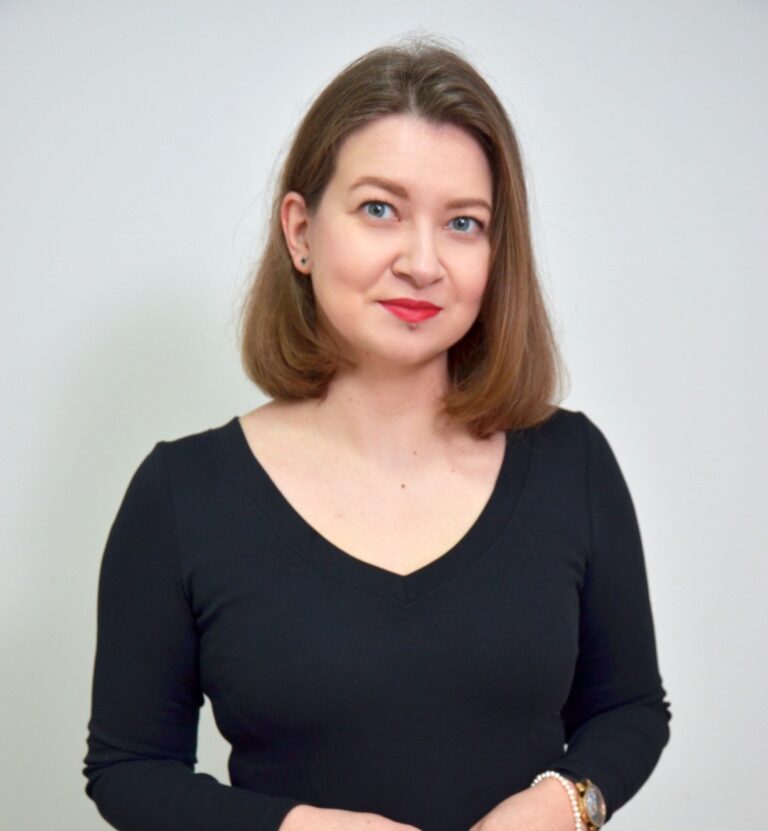
For many years, he has collaborated with Świat Przemysłu Kosmetycznego, conducting interviews with leading industry representatives and reporting on Cosmoprof Worldwide Bologna. He actively supports the development of Polish-Italian economic relations, with a particular focus on the cosmetics sector and the beauty market.
7:30
Congress Registration
8:50
Official Opening of the Congress
Teresa Kubsz-Miller
Managing Editor of Świat Przemysłu Kosmetycznego at Farmacom Publishing
9:00
Introduction of the Guest of Honour
Dr Magdalena Niewęgłowska
National Manager for Professional Cosmetics Implementation and Marketing; Head of the Farmona Professional Training Institute
9:30
Factory Expansion: The Art of Compromise and Change Management
A case study of Beiersdorf Manufacturing Poznań, exploring the challenges of expanding a manufacturing facility while maintaining production continuity, safety, and team engagement.
Barbara Robaszkiewicz
Production Center Director
10:00
Cosmetics Factory 2027: How to Design Flexible, Compliant, and Scalable Production Plants
Bartosz Kubiak
Senior Sales Manager,
Project Manager
Ewelina Gudelis-Nowak
Project Manager
10:15
One Line, Multiple Formats… Flexible Automation (Robotics) in an Era of Dynamic Change in the Cosmetics Industry
The growing number of product variants, more frequent format changes, and shorter production runs are requiring cosmetics manufacturers to make their packaging processes increasingly flexible. During the presentation, we will demonstrate how properly designed automation and robotics—including dosing, capping, labeling, and vision inspection—can enable production lines to adapt efficiently to changing manufacturing requirements.
Ian Oxley
International Sales Engineer
10:30
One technology, two tasks: powering the line and picking orders
Using the example of a Polish cosmetics manufacturer, we’ll show how automatic lift racks support various intralogistics processes – from handling materials stored at controlled temperatures for production, to picking e-commerce orders. The case study will demonstrate how one technology can meet the needs of multiple areas in the organization, boosting process efficiency, optimizing space usage, and making daily work easier.
Aneta Coufalík
Business Development Manager
Paweł Niedzielczyk
System Sales Manager
10:45
Automation and robotisation that optimise. How to choose the right solutions for production processes?
Automating production processes is not just about implementing modern technologies – above all, it is about consciously selecting solutions that deliver real business benefits. During the presentation, we will show how to identify the areas with the greatest potential for automation and how to match technologies to the specifics of the production process.
Tomasz Baran
Commercial Director
11:00
5 things a leader can change tomorrow morning. Neuroleadership and the SCARF model in the practice of a manufacturing plant.
The presentation shows how a leader’s everyday behaviors affect the team’s engagement and readiness for change in a manufacturing plant setting.
Participants will get to know the SCARF model and 5 practical areas that can either strengthen or weaken motivation.
Everything is presented from the perspective of someone with hands-on experience in people and operations management.
Bogdan Hołowiecki
Factory Director
11:30
Coffee break
12:10
From the lab to the finished product – why the perfect formula is just the beginning?
A perfect lab sample is just the beginning of the journey to a finished product. It’s only during production that you realize there are still many unforeseen challenges between a great formulation and the final product – from the properties of the mixture and how it’s dispensed, to the packaging, and even unexpected changes from suppliers. In my talk, I’ll show a few practical examples from a technologist’s work and share what we’ve learned from situations where production reality wrote its own script.
Anna Kozak
Technology Group Manager
12:40
PHYSICS DOESN’T READ FORMULAS – Process Surprises in the Production of Cosmetics
Description: Even the best formulation does not guarantee a consistent product, as its properties are also determined by production scale, equipment geometry, and the parameters of mixing, homogenization, and heat transfer. The presentation will provide practical examples demonstrating how the laws of physics influence the quality and stability of cosmetics and liquid pharmaceutical forms.
Weronika Urlińska
Assistant Process Technologist
Ewa Szczęsny
Process Engineer and Designer
12:55
Airlocks and scaling – from challenge to solution
A key step before implementing the cosmetic mass on large, production-scale mixers is to check its behavior under conditions close to a technical scale. It’s at this stage that many challenges arise related to mixing, heat transfer, or aeration. This is a case study with solutions to typical problems encountered during formulation in the lab.
Karolina Kucab
Account Executive
13:10
The most valuable R&D resource is expert time. How digitalization, AI and automation shorten the path from brief to production
The most valuable resource in R&D is the time of experienced experts. The presentation will show how digitalization, AI, LLMs and automation can shorten the path from brief to production, structure knowledge and reduce manual work.
The starting point will be solutions already implemented in practice: digital support for formulation and regulatory compliance, packaging and PPWR data, the electronic Batch Report, and a paperless laboratory. The key question is: where does R&D lose time, money and knowledge, and how can technology help recover them?
Katarzyna Grużewska
Director of Research and Development
13:40
Lunch break
14:30
Invisible risks: overlooked hygiene control points in cosmetic manufacturing
In cosmetics manufacturing, safety depends not only on the quality of raw materials and adherence to procedures, but also on hygiene control in places that often remain outside the main focus of attention.
Using practical examples, we will take a closer look at places and situations that may be a potential source of hygiene hazards, and discuss possible sources of contamination and the consequences of inadequate hygiene.
Aneta Buda
Quality Control Manager
15:00
Quality and safety in cosmetics manufacturing 4.0 – How In-Line inspection, AI vision systems and full process traceability reduce the risk of errors, complaints and non-compliance
During the presentation, I will show how modern quality control systems can reduce the risk of errors at the final stages of cosmetics production and packaging. Using examples of solutions based on in-line inspection, AI-powered vision systems and process traceability, I will demonstrate how non-conformities can be detected automatically before the product leaves the production line. I will also explain how such solutions help manufacturers maintain consistent quality and ensure product compliance with defined requirements.
Karol Kiełbiński
CEO
15:15
From Claims to Evidence – How to Effectively Substantiate Cosmetic Product Claims?
The presentation will explore the product journey—from development and claimed effects to obtaining evidence that substantiates those claims. It will discuss the nature, advantages and limitations of both in-use and instrumental testing. The presentation will also address the challenges that may arise in collaboration between cosmetic product manufacturers and testing laboratories.
Klaudia Pytel
Cosmetic Product Testing Specialist
15:45
Smart quality: how to combine Lean and AI in quality management
Lean tells us what to eliminate. AI helps us see faster where, why and what will happen next. In this talk, we will show how to combine proven quality tools with the capabilities of artificial intelligence to identify the root causes of problems faster, detect recurring non-conformities and predict risks. It is a practical look at the quality of the future – less manual analysis, faster decisions and more effective improvement actions.
Monika Dobek
Quality Improvement and Management Representative
16:15
Break
PLEASE NOTE: The debate will take place in the Rysy Room
Cosmetic manufacturing facilities today operate under the pressure of rising costs, regulatory changes, customer expectations, and increasingly tight implementation deadlines.
Decisions regarding raw materials, packaging, processes, and investments simultaneously impact production quality, efficiency, timeliness, and profitability. How can manufacturers set priorities, plan for facility growth, and make decisions that prove effective beyond the short term in such an environment? We will discuss these issues during the debate.
Debate moderators
Justyna Żerańska
General Director
Debate participants
Rafayel Asatryan
General Director
Dorota Krużel
Plant Director
Dominika Teśniarz
CEO
Marcin Sowa
Operations Director
Bogdan Hołowiecki
Factory Director
20:30
Mountain Folk Feast
9:00
Circular cosmetic raw materials: Upcycling and the use of active substances and water from bioferments as a response to the water environmental footprint.
The presentation will showcase an innovative approach to water management based on the circular economy (CE) model, implemented in the Symbiosis laboratories. The main idea of the project is to use technology that reduces the environmental water footprint of a manufacturing plant by utilizing so-called upcycled water. The water fraction obtained through biofermentation, containing residual bioactive substances, can be reused as a multifunctional basic and active raw material and can be applied directly in cosmetic formulas as an alternative to conventional process water.
Ewa Kilian-Pięta, PhD
CEO / President
09:30–09:45
How GLP-1 is inspiring and driving innovation in the beauty industry, while longevity is becoming part of the beauty narrative – not just part of health and wellbeing.
GLP-1 affects the entire body, increasing the need for intensive, effective care for the face and body, hair, oral cavity. This is accelerating the development of smart products, while scientific evidence of efficacy is raising expectations for biotechnology and clinically proven active ingredients.
How does this rapidly evolving trend align with the expectations of – and product claims aimed at -diverse consumer groups: Millennials, Gen Z, men and women? How are consumers shaping new approaches to the use of collagen and growth factors to keep skin looking youthful and vibrant for longer? How are these profound effects on the body increasing the need for beauty products that support wellbeing and offer emotional comfort through sensory experiences and thoughtfully chosen body care rituals.
Aleksandra Rochowicz
Commercial Manager Surfachem Ltd
9:45
Is Anti-Aging Becoming a Thing of the Past? Skin Longevity as the New Language of Beauty
The cosmetics industry is increasingly moving away from focusing solely on reducing signs of aging and is turning its attention to the long-term maintenance of skin health and condition. Skin longevity is one of the fastest-growing trends in beauty, combining knowledge about the aging process with innovative active ingredients. In this presentation, we’ll discuss the key mechanisms that influence skin aging and show how the concept of skin longevity is changing the approach to active ingredients, formulations, and consumer communication.
Maciej Olek, PhD
Head of Business Development Active Ingredients and Cosmetic Solutions, EMEA
10:00
Around the world in 15 minutes with MG International Fragrance – where the most interesting smells today and what is worth bringing back from there
Fragrance remains one of the key elements that can distinguish your product from hundreds of available cosmetics and make the consumer stick with it for a long time.
At Tiele Winkler, together with our partner MG International Fragrance, we design compositions based on customer requests. We often also propose solutions with a unique twist—ones that intrigue and help achieve the desired effect.
We invite you to a quick overview of interesting facts from the world of fragrances, opening up new horizons and showing how much is happening outside the lines we know.
Kamil Winkler
Co-owner at Tiele Winkler
10:15
Sustainable Cosmetics – Do Formulations Need to Change? A New Definition of Cosmetic Raw Materials Using Plant-Based Propylene Glycol as an Example
The presentation addresses the current environmental challenges facing cosmetic manufacturers. Using plant-based raw materials as an example, it demonstrates that radical changes to formulations are not necessary for a cosmetic product to achieve a lower carbon footprint.
Małgorzata Gurtowska
Head of Oleochemicals, Sales Department
10:30
Hype vs. Reality: How the R&D Lab Checks Raw Material Market Trends?
The lecture will be about the behind-the-scenes work of R&D departments, which separate the marketing hype around viral cosmetic ingredients from their actual effects. The speaker will cover advanced research methods for assessing the quality, stability, and effectiveness of cosmetic raw materials. The topic of literature review will also be addressed, that is, how to tell valuable scientific studies apart from low-credibility research. Participants will learn how to effectively balance the pressure of consumer trends with maintaining the highest scientific and technological standards.
dr Monika Krzyżostan
R&D Department Manager
11:00
Coffee break
PLEASE NOTE: The debate will take place in the Rysy Room
About consumer fatigue, deployment bottlenecks, and searching for the meaning of innovation.
The cosmetics industry is in a state of constant novelty. Marketing promises breakthroughs every month, R&D departments – miraculous formulas, packaging factories struggle with matrix changes, and Private Label meets every whim of algorithms. Cosmetics have stopped being care products and have become a dopamine hit in the Fast Fashion model. Is this model heading for a wall?
Debate moderators
Klaudia Szary
CEO
Debate participants
Alicja Falender
Director of Research and Development
Małgorzata Latuszek
Sales Manager
Monika Orawiec
Sales & Marketing Director
Monika Rzepka
Head of the Technology and Implementation Department
Kamil Gołębiewski
Head of R&D Department
Paweł Otulakowski
CEO
12:25
Coffee break
12:40
Regulatory year in review
A cross-sectional summary of the most important regulatory changes of the past year, as a broader context for the more detailed issues addressed in the following presentations.
Dorota Rejman
Regulatory Affairs Manager
Magdalena Turowska
Regulatory Affairs Manager
13:10
Will exports remain the driving force of growth? The situation and prospects of the Polish cosmetics industry.
The presentation will cover the situation of the Polish cosmetics industry. The topics will include key trends in production, foreign trade, and financial performance. Special attention will be given to the development of exports, looking at both past trends and the potential for further growth in value and expansion directions. In summary, the development prospects will be assessed in the context of economic, competitive, and regulatory factors affecting the industry.
Paweł Kowalski
Expert in the Sector Analysis Team, Department of Macroeconomic Analysis
13:40
Omnibus VI – do legislative simplifications have a real impact on the functioning of cosmetics companies?
For years, the cosmetics industry has been grappling with the growing scale and pace of regulatory changes, which impact not only legal compliance but also business strategies, innovation, and competitiveness. In response to these challenges, in 2025, the European Union launched its first omnibus packages aimed at simplifying and streamlining the legislative environment.
Omnibus VI occupies a special place among them – it is the so-called Chemical Omnibus, covering regulations on chemical substances and changes to sectoral regulations, including changes to the Cosmetics Regulation.
During our presentation, we will examine Omnibus VI and the changes introduced under the Cosmetics Regulation, including streamlining the rules for obtaining exemptions under Article 15, clarifying the procedure for adding new ingredients to the annexes, and introducing additional transitional periods. We will look at the changes primarily from the perspective of entrepreneurs: we will examine which of them can have a real impact on the daily operations of companies, increase the predictability of the regulatory environment, and facilitate the management of changes to ingredients, and which will remain primarily legislative changes without a significant impact on business practice. We will also consider whether the new solutions meet the real needs of companies operating in the cosmetics market and create greater room for innovation and strengthening the competitiveness of the Polish cosmetics industry.
Beata Kowalczyk
Technical and Regulatory Affairs Manager
14:10
Lunch break
15:00
IMPERFECT, BUT AMAZING – how to turn imperfection into an exceptional brand experience
Does a crooked label, a flawed weld, or a bent box really mean the product is worthless? We’ll show you how to look at ‘imperfect’ products from a completely different perspective and turn packaging flaws into part of a unique brand experience. Because an exceptional experience doesn’t always start with perfect packaging.
Malwina Brzozowska
Marketing Manager
15:30
Cosmetic packaging 2030. How to start preparing today for the next stages of PPWR?
PPWR isn’t just about the requirements that have already come into effect, but also about the upcoming significant changes that the cosmetics industry will need to get ready for in the coming years. In this presentation, we’ll show how future regulations will impact packaging design and production, including recyclability, the use of recycled materials, and the choice of materials and construction. We’ll give tips on what to pay attention to now to reduce the risk of costly changes in your portfolio down the line. We’ll also show how working closely with a packaging manufacturer can help turn PPWR requirements into practical and safe solutions for cosmetic products.
Tomasz Gabrysiak
Business Development Manager
15:45
HUMAN RESOURCES, INHUMAN RESULTS. From Excel to launch- how do you manage a packaging project when time is non-negotiable?
Too few people? Not enough time? Too many tasks? Perfect. That is precisely when real packaging project management begins.
Where Excel’s capabilities end and business accountability begins – what do you do when Excel shows red cells, the numbers don’t add up, yet the target remains unmet and waiting to be achieved?
How do you manage a team when you need to deliver more, faster, and more effectively – without adding resources? No excuses. No wishful thinking. No saying “it can’t be done.”
It’s about ruthless prioritization, tough decisions, pressure to deliver results, and making effective use of your team’s skills.
Because sometimes you don’t need more people. You need to stop wasting the ones you already have.
Not everything can be done. Not everything *needs* to be done – what matters is delivering what truly counts. Exceeding the target by 100%? To Excel, it’s absurd. To the business, it’s the next level to reach.
JOANNA KONIORCZYK
Product Development Manager
16:00
Not just aesthetics. About the compromises that make good packaging.
How do clients’ initial ideas evolve under the influence of technology, costs, functionality, and the need to stand out on the shelf?
Even the most carefully developed concept often turns out to be just the beginning of the conversation. The speaker will show how a project develops from the client’s initial vision to the final solution, and how technological capabilities, functionality, and project economics influence its ultimate form. She will also explain why, in packaging design, the most visually striking solution is not always the best one.
Aleksandra Podwalska
Industrial Designer
16:15
More than a bottle. Why has packaging become a strategic brand tool?
Behind a seemingly simple package lies an entire ecosystem of decisions – from design and technology to production, costs, regulations and consumer expectations. Packaging is no longer merely an addition to the product; it has become part of the brand strategy. When designed well, it not only protects and differentiates the product, but also builds value, optimizes processes and prepares the brand for the future.
Elżbieta Wiktorska
Chief Commercial Officer/ Board Member
16:30
Who, what and to whom? How to organise PPWR documentation in the packaging supply chain
The PPWR significantly expands the scope of information and documentation that must flow between participants in the packaging supply chain. Andrzej Kaźmierczak will demonstrate how to clarify the roles and responsibilities of the various entities involved and how to effectively manage the sourcing, verification, and transmission of data regarding packaging compliance. Drawing on the experience of MPS International, he will show how to build an efficient document management system that supports PPWR compliance while simultaneously streamlining collaboration with customers and suppliers.
Andrzej Kaźmierczak
Chief Operating Officer
20:30
Gala event
Technical tour – only for participants who registered their interest in advance and received confirmation of their place on the tour. The number of places is limited.
Dietary Supplements Industry
Congress Moderator
Bartosz Demianiuk
Chairman of the Board
Krajowa Rada Suplementów i Odżywek
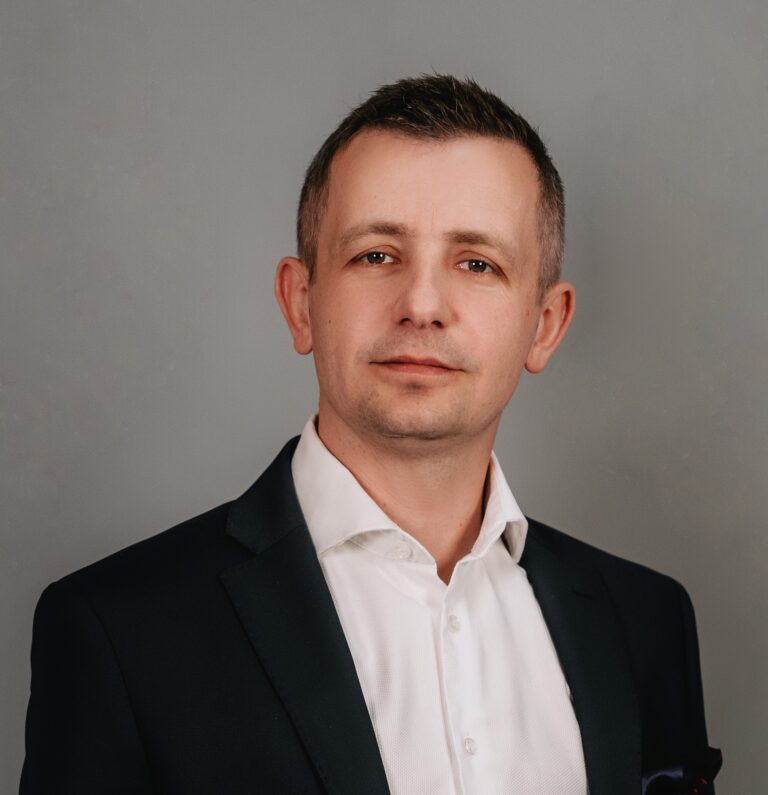
An economist, chairman of the National Council for Supplements and Nutrients (KRSiO) and a member of the board of the European Federation of Associations of Health Product Manufacturers (EHPM). An experienced manager and business practitioner with many years’ experience in the pharmaceutical and dietary supplements sectors, managing companies specialising in contract manufacturing for these industries. A consultant and expert in the field of business internationalisation, passionate about building partnerships and developing cooperation in competitive markets.
7:30
Registration of Participants
8:50
The official opening of the Congress
Bartosz Demianiuk
Chairman of the Board
9:00
Introduction of the Guest of Honour
9:30
Supplementation 2.0 – a new dimension of supplementation
Are traditional supplements no longer enough? The future of supplementation won’t start tomorrow—it’s happening today! Welcome to the World of Supplementation 2.0—a place where breakthrough technologies, advanced delivery methods, and solutions that enhance bioavailability are setting new standards for effectiveness, safety, and quality. It’s here and now that a new dimension of supplementation is emerging, redefining how the industry responds to the growing expectations of informed consumers, manufacturers, and product development specialists.
Marcin Sochan
CEO
10:00
Better supply chain control by 1 stop shopping at ACG
ACG the only fully integrated supplier to pharma and nutra
we supply machinery
we supply capsules and packaging material
we supply ingredients
we supply CMO services to cover a start-up phase
Jan Clement
Head of Sales Europe
10:15
Hidden risks in technological systems – how surface condition affects product quality and safety
Because what you cannot see may be of the greatest importance. In process installations, the surface of stainless steel has a direct impact on the quality, hygiene and safety of the process being carried out. Even contamination, discolouration, residues from mechanical processing or incorrectly carried out passivation – invisible to the naked eye – can become sites where corrosion begins and where contaminants accumulate.
At Trawialnia.eu, we assess the process not only on the basis of the surface appearance. The type of material, processing history, degree of contamination, chemical process parameters, temperature, contact time and the final requirements for the installation are also crucial.
Trawialnia.eu – We know how to look after stainless steel!
Andrzej Ciupak
Sales Director
10:30
Global trends, local opportunities – the transformation of the supplements sector
How can global trends be translated into the growth of a Polish company? Justyna Dąbrowska, Deputy Managing Director of UNIPRO Sp. z o.o., will use the examples of the Activlab Sport and Activlab Pharma brands to present the perspective of a manufacturer responding to changing consumer needs. She will discuss the role of innovation, quality and Polish manufacturing in building a competitive advantage, as well as opportunities for growth on the domestic market and abroad.
Justyna Dąbrowska
Deputy Chairman of the Management Board
11:00
Coffee break
11:40
From a promising ingredient to an effective formulation – how to assess the potential of innovative raw materials in food supplements
The food supplement industry offers new ingredients and products described as “groundbreaking” almost every day. Which of them truly stand out from a scientific and technological perspective?
Does every branded raw material add value? Can every scientific publication be treated as indisputable evidence?
The presentation will focus on unsubstantiated promises, interpretation errors and the pitfalls that teams responsible for new product development may encounter.
Joanna Wacławska-Jurago
Director of Product Development and Quality, Member of the Management Board
12:10
Beyond Collagen: Exploring the Potential of Elastin in Beauty from Within
Collagen has long been at the heart of beauty-from-within solutions, but skin health goes beyond collagen alone. Through Prolastin® and Collactive®, this presentation will explore the emerging role of elastin, its complementarity with collagen, and new clinical evidence supporting the next generation of sustainable marine beauty ingredients.
Thomas Delacourt
Innovation & Marketing Manager
12:25
Ingredients of trust: the quality and reliability of raw materials in supplementation in the light of physicochemical analyses
How to truly evaluate a raw material before it goes into production?
The manufacturer’s specifications and declarations are a starting point, but they don’t always answer the most important questions about the raw material’s actual quality and characteristics. This presentation will demonstrate how to use physicochemical analyses as a tool to support informed raw material selection and qualification.
Based on specific case studies, we will analyze situations in which raw materials with seemingly comparable parameters differed in their actual properties. We will demonstrate what information can be obtained from analyses, how to interpret their results, and how to use them when comparing suppliers, qualifying new sources, and assessing risk before purchasing.
The goal is not only to detect differences, but above all to answer the question: how to choose raw materials consciously when documentation does not provide a complete picture?
Michał Wójcik, PhD (hab.), Professor at the University of Warsaw
CEO
12:40
From a natural raw material to a stable formulation – how to assess innovative food supplement ingredients before their implementation into production
The implementation of a food supplement containing an innovative ingredient of natural origin is a process that requires much more than confirming its efficacy in scientific studies. A comprehensive assessment of the ingredient in terms of quality, compliance with regulatory requirements and the technological feasibility of its application is of key importance.
During the presentation, the most important stages of assessing innovative ingredients of natural origin will be presented – from the characterisation of the raw material and analysis of the available scientific data, through the assessment of compliance with applicable regulations and compatibility with the product formulation, to aspects related to the production process and market launch.
The presentation will have a practical character and will show which criteria should be taken into account when selecting innovative ingredients of natural origin in order to increase the chances of developing a safe, stable and reproducible food supplement that meets quality, regulatory and technological requirements and responds to market expectations.
Monika Gołaczyńska
Research and Implementation Manager for Non-Medicinal Products
13:10
Lunch break
14:00
Quality under control – supplement safety from raw materials to the finished product
Ensuring the highest levels of safety and consistent quality in dietary supplements requires rigorous control at every stage of the production chain – from the selection of raw materials to the finished product reaching the consumer.
A safe dietary supplement is not a matter of chance, but the result of a systematic quality management system.
Quality control at every stage builds consumer trust and guarantees the efficacy and purity of the final product.
The end result of a safe product is the result of the work of several teams – R&D, procurement, quality control and production.
During the lecture, I will provide an in-depth look at how this process works at Unipro.
Marta Sukiennik
Quality Control Manager
14:30
A supplement starts with the packaging – one small label and a whole host of tasks to complete
How can a label simultaneously support communication with the consumer, build trust in the brand, provide access to key information and meet growing regulatory requirements? We will discuss modern labelling solutions, such as multi-layer labels, which allow for more information to be included without compromising the aesthetics of the packaging, as well as printing technologies that enable a product to stand out on the shelf. We will present the possibilities for combining functionality, an attractive appearance and the individual needs of supplement manufacturers.
After all, a well-designed label is not just a medium for information, but also a key element in building credibility and brand advantage.
Magda Gutkowska-Gmyrek
Business Development Manager
14:45
ISO 15378:2017 as a guarantee of the quality and safety of primary packaging materials manufactured by Alu-Lids
Practical aspects of implementing the standard’s requirements and the benefits of an effective business partnership, as illustrated by the collaboration between AluLids and MOBEN Pharma. We will demonstrate how the conscious management of quality processes builds a sustainable competitive advantage and trust within the pharmaceutical sector.
Karol Bielecki
Engineer Manager
15:00
From moisture absorbers to smart indicators – new packaging features for protecting dietary supplements
Active and smart packaging represent one of the new trends in packaging development. Active packaging helps to extend a product’s shelf life, whilst smart packaging provides information on the product’s condition or storage conditions. Some solutions, such as moisture absorbers, which are a type of active packaging, have been known and used for a very long time, but new solutions are being proposed, particularly in the field of smart packaging.
prof. dr hab. inż. Ryszard Cierpiszewski
Head of the Department of Industrial Product Quality and Packaging
15:30
Virtual tour – UNIPRO Sp. z o.o.
16:00
Coffee break
16:40
From quality to purchasing decisions – where do consumers of dietary supplements go wrong? Findings from a study by the University of Economics in Katowice for KRSiO
For consumers, the concept of quality in a dietary supplement does not end with its composition or safety; it is equally important whether they are able to recognise this quality and use it as a criterion for their choice. Research findings from the University of Economics in Katowice, commissioned by KRSiO, show that there is a significant cognitive gap between a declared health need and the choice of a specific product. The presentation will highlight where, on the path from product quality, through its perception, to the purchasing decision, the consumer of dietary supplements ‘gets lost’.
dr Marta Grybś-Kabocik
Economist and Market Researcher
Rafał Rydzewski
Researcher and Lecturer
17:10
Digital validation in the dietary supplements sector
What is digital validation in the production of dietary supplements, and how does the electronic verification of product and process safety and quality at every stage of manufacture work? I will demonstrate how modern IT solutions based on risk analysis help pharmaceutical companies meet stringent quality and regulatory requirements – and how these same solutions can be applied in the dietary supplement industry. I will explain how digitalisation is accelerating business transformation and whether replacing manual tasks and paper-based documentation helps to reduce errors and save time. Digital solutions that combine current legal requirements with a company’s internal procedures help to identify threats and assess risks more quickly – so that people can make the right, informed decisions.
Joanna Nalewajska
Digital Solutions & Business Development Manager
17:25
Data, risk, decision. What does ‘quality under control’ really mean in the production of dietary supplements? How should quality decisions be made when a simple ‘compliant/non-compliant’ assessment is not enough?
A result that complies with the specification does not always mean the assessment is complete. Using practical examples, the presentation will demonstrate how to combine data, knowledge of raw materials and processes, and risk assessment in order to make informed and justifiable quality decisions in the production of food supplements.
Jolanta Gierej
Quality Director
20:30
Mountain Folk Feast
9:30
Romaco – One Stop Solutions
Brief overview on the product line for production of nutraceutical products. We will go through the manufacturing process – from powder to pallet.
You will learn the different possibilities how Romaco can support your production.
Vitor Antunes
Regional Vice President
9:45
From shots and syrups to powders… – Flexible automation (robotisation) in an era of dynamic market changes in the dietary supplements sector
Manufacturers of dietary supplements handle a wide range of products and formats, from liquid shots and syrups to powdered products. During the presentation, we will demonstrate how flexible automated lines can combine various packaging processes and enable production to be adapted efficiently to a changing product range.
Hubert Grodowski
CEO
10:00
VOLKMANN vacuum conveying – efficient and safe feeding of powders and granules into equipment
Mateusz Bodych
Key Account Manager
10:15
Is a carefully selected active ingredient enough to create an effective dietary supplement?
Is the effectiveness of a supplement determined solely by the choice of active ingredient? Not necessarily – how it is protected, delivered and released may be just as important.
During a presentation by Prof. Justyna Rosicka-Kaczmarek from the Institute of Food Technology and Analysis, Faculty of Biotechnology and Food Sciences at the Lodz University of Technology, attention will be focused on encapsulation – a still underappreciated yet extremely versatile tool in the design of modern dietary supplements.
Protecting bioactive ingredients from degradation, improving their stability and bioavailability, masking undesirable sensory characteristics, and enabling controlled release demonstrate that carrier technology can have a real impact on the quality and functionality of the final product. Encapsulation is not only a means of protecting the active ingredient, but is increasingly becoming one of the key elements in the deliberate design of advanced dietary supplement formulations.
prof. Justyna Rosicka-Kaczmarek
Professor
10:45
Coffee break
11:30
From the Code of Good Practice for the Advertising of Dietary Supplements to influencer marketing – how the industry is establishing standards for responsible communication
Responsible communication regarding food supplements requires, first and foremost, compliance with the regulations. However, where these regulations do not take into account the demands of a rapidly changing market and new channels for reaching consumers, additional industry guidelines become useful.
During this presentation, we will demonstrate how the industry’s self-regulatory framework – the Code of Good Practice for the Advertising of Dietary Supplements, which has been in operation for ten years – can serve as the foundation for guidelines on influencer marketing. We will also show how self-regulation can support companies in conducting responsible communication, mitigating risks and building consumer trust.
dr Katarzyna Suchoszek
Deputy Chair of the Management Board
12:00
A high-speed line or quick changeovers? How to choose packaging lines when the number of formats is increasing
The production line is increasingly coming to a standstill, not because it is too slow, but simply because it needs to be retooled yet again. This changes the way in which the next machine should be selected.
Private labels, multipacks, seasonal editions, the separation of products containing allergens, and new SKUs entering the market in small batches. Each of these factors shortens production runs and lengthens the list of format changes. As a result, the investment question is no longer ‘how many units per minute’, but rather ‘how many times a year will this line need to be changed over’.
A faster line and a line that is easy to changeover are two different investments — and it is rare to get both for the price of one. This presentation shows how to identify which of the two is right for a specific plant: without formulas, without productivity charts and without comparing quotes. It is aimed primarily at companies that have not yet chosen a supplier — because it is at this stage that decisions are made which cannot be reversed later.
WHAT YOU’LL LEARN:
• Why a faster production line usually takes longer to changeover, and what this means for short runs
• When two slower lines outperform one fast one, and when this is a costly mistake
• Four questions worth asking every supplier — including the speaker
Andrzej Karpiński
Branch Director
12:15
Implementation of the FETTE F30p tablet press for dietary supplement production at ALG Pharma Sp. z o.o.
Andrzej Śliwiński
Operations Director
Damian Kubik
Operations Director
12:30
The many facets of a single appliance – optimising the washing process without compromise
Does cleaning the machine have to come at the expense of production flexibility? Not necessarily.
With an increasing number of formats, shorter runs and frequent product changes, a well-designed cleaning process can become one of the key elements of operational efficiency. We will show you how to combine cleaning effectiveness, quality requirements and changeover speed without unnecessary compromises.
We will discuss the requirements for the production of dietary supplements and the GMP expectations placed on contract manufacturers also operating in the pharmaceutical sector. We will explain the division of responsibility between the equipment manufacturer and the user, and demonstrate how a risk-based approach to cross-contamination helps to design cleaning solutions tailored to different equipment and production scenarios.
Grzegorz Hojdyś
Production Manager
12:45
From product to trust – production as the foundation of quality and brand value
Trust in a brand is built long before the product reaches the customer. It begins with the selection of appropriate raw materials, a well-designed recipe, a proper manufacturing process, and quality control. This presentation will demonstrate the crucial importance of production facilities for brand development and credibility. From material verification and standardization, through technology and research, to ensuring the consistency of each subsequent batch. Today, production is much more than just manufacturing a product. It is one of the key elements influencing a brand’s safety, credibility, customer loyalty, and long-term value.
Damian Olędzki
CEO
13:15
Lunch break
PLEASE NOTE: The debate will take place in the Rysy Room
We will discuss the practical application of artificial intelligence…
at various stages of the development and market launch of health-promoting food products – from the search for new ideas and the development of recipes, through quality and regulatory issues, to consumer communication and purchasing decisions.
Debate moderators
dr Joanna Uchańska
Legal Adviser and Partner at AJ LAW Uchańska Diskau, Court-appointed Mediator
Debate participants
Krystyna Jarek
Expert in the Strategic Use of AI and Innovation, CEO
Mateusz Pazdan
CEO, Founder and Majority Shareholder
dr inż. Barbara Wielgos
Director of Pharmaceutical Products
Justyna Dąbrowska
Deputy Chairman of the Management Board
15:15
Break
15:30
The algorithm calculates, the human decides. How to implement AI as a digital assistant in the development and commercialization of functional foods
This presentation demonstrates the practical application of artificial intelligence in the process of developing and launching functional foods. It will cover the potential uses of AI at various stages of the workflow—ranging from trend analysis and product concept generation, through formulation development and the assessment of quality and regulatory requirements, to the preparation of product communications. Examples will be drawn from SFD S.A.’s experience in launching private-label products, illustrating how AI can support experts in their daily work and accelerate decision-making. At the same time, the presentation will highlight areas where expert knowledge, experience, and judgment remain essential.
Mateusz Pazdan
CEO, founder, and major shareholder
16:00
One partner, a wide range of expertise – the benefits of integrated outsourcing in the supplements sector
Katarzyna Kurlit
Business Development Manager
Paulina Lorenc
Business Development Manager
16:15
From brief to finished product – how to prepare a project to ensure smooth cooperation with a contract manufacturer
The efficiency of a collaboration with a contract manufacturer is often determined even before the project begins – during the project preparation phase.
During this presentation, I will demonstrate the development of a new project through the manufacturer’s eyes: what information in the project request can actually shorten implementation time, and which decisions should be made before the quotation begins.
I will discuss typical trouble spots – from establishing product specifications to volatile raw material prices – and where avoidable delays most often occur. I will also suggest questions to ask yourself and the manufacturer before the project begins.
Anna Twardochleb-Grudniewska
Sales Director
20:30
Gala event
Technical tour – only for participants who registered their interest in advance and received confirmation of their place on the tour. The number of places is limited.